If you have been looking for a way to add more depth and flavor to your homemade loaves, you might want to learn what high extraction flour is and how it changes your baking routine. This specific type of flour sits right in the middle of the spectrum between white bread flour and whole wheat, offering a unique balance of performance and nutrition that many home bakers find incredibly rewarding.
Understanding the Milling Process
When flour is milled, the goal is to separate the endosperm from the bran and the germ. Standard white flour is highly refined, meaning almost all of the bran and germ are removed during the process. High extraction flour, however, keeps a portion of those flavorful, nutrient-dense components in the final bag.
Think of it as a middle ground that provides more character than a standard white flour without the heavy, dense texture that can sometimes come with whole wheat. Because it retains more of the wheat berry, you get a richer, nuttier flavor profile in your finished bread. It is a fantastic tool for anyone who wants to move beyond basic white loaves but isn’t quite ready for the intensity of a 100% whole grain recipe.
The technical definition
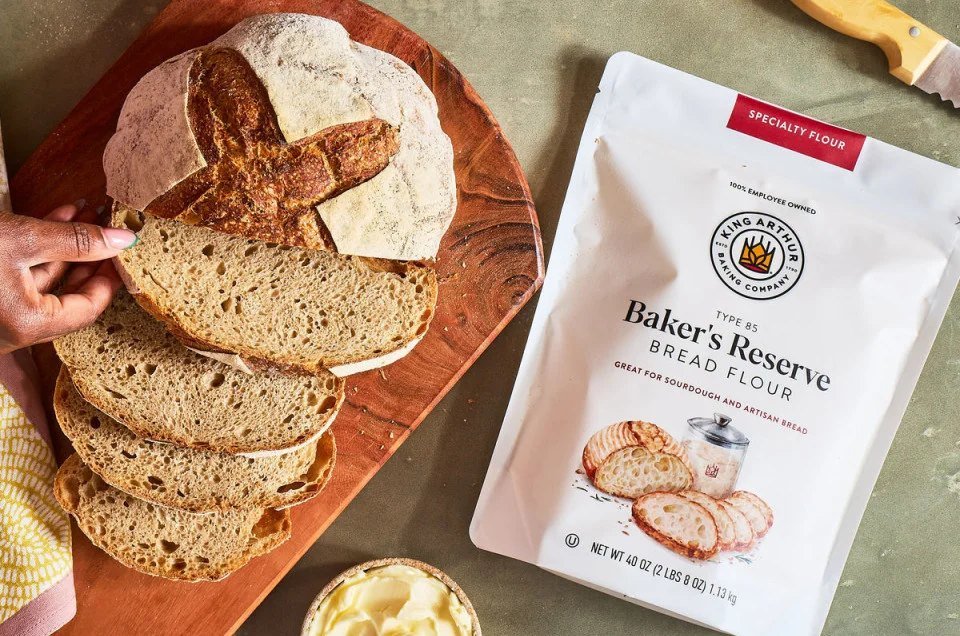
In professional milling terms, the extraction rate refers to the percentage of the wheat berry that remains in the flour after the milling and sifting process is complete. A standard white flour might have an extraction rate around 70% to 75%, while whole wheat flour is at 100%. Our T85 Baker’s Reserve Bread Flour is milled to an 85% extraction rate, which is why it carries that specific T85 designation.
Why the T85 matters
The T85 label is a clear indicator of the flour’s composition. By keeping 85% of the wheat berry, the flour retains more of the natural oils and minerals found in the bran and germ. These elements contribute significantly to the color, aroma, and taste of your bread, making it a favorite for bakers who prioritize flavor above all else.
Managing your expectations
When you first start working with this flour, you might notice that your dough feels slightly different than what you are used to with standard bread flour. Because of the higher mineral content, the dough may feel a bit more supple or extensible. It is a joy to handle once you get the rhythm of it, but keep an eye on your hydration levels as you mix your initial batches.
Why Bakers Choose High Extraction Flour
The primary reason to reach for this flour is the flavor. When you bake with a standard white flour, the result is often mild and neutral. By using a flour that includes a higher percentage of the wheat berry, you are introducing complex, earthy notes that pair beautifully with everything from salted butter to hearty soups.
Beyond the taste, the texture is often superior for artisan-style loaves. The presence of those extra bits of bran and germ can help create a more interesting crumb structure. Many bakers find that their crusts develop a deeper, more mahogany color during the bake, which is a direct result of the natural sugars and proteins present in the higher extraction rate.
The visual appeal
You will notice that the flour itself is not stark white; it has a creamy, off-white hue. When baked, this translates into a loaf that looks like it came straight from a professional bakery. The visual contrast between the crust and the interior crumb is often more pronounced with this type of flour.
Flavor development
Because the flour is less processed, it retains more of the natural enzymes found in the wheat. These enzymes can help with fermentation, potentially leading to a more active sourdough starter or a more flavorful yeast dough. It is a subtle difference, but one that experienced bakers will certainly appreciate after a few bakes.
Versatility in the kitchen
While it is excellent for crusty boules and baguettes, you can also use it for softer sandwich breads. It adds a bit of “heft” to a standard loaf without making it feel like a brick. You can even experiment with blending it with your regular bread flour to find the exact ratio that suits your personal preference.
Tips for Working with T85 Flour
Working with high extraction flour is straightforward, but there are a few adjustments you can make to get the best results. Because the flour contains more bran, it can be slightly thirstier than standard white flour. You might find that your dough benefits from a small increase in water to ensure the bran is fully hydrated.
If you are using a recipe that calls for standard bread flour, start by swapping in 25% of the total flour weight with your T85 flour. This allows you to get a feel for how the dough behaves without completely changing the hydration requirements of your original recipe. Once you are comfortable, you can increase the amount in subsequent bakes.
The importance of autolyse
An autolyse—where you mix only the flour and water and let it sit for 30 to 60 minutes before adding salt or yeast—is especially helpful here. This rest period gives the bran particles time to soften and absorb moisture. It makes the dough much easier to shape and improves the final texture of the crumb significantly.
Monitoring your proofing
Keep a close eye on your dough during the bulk fermentation stage. Because the flour is more nutrient-rich, your yeast or sourdough starter might work a little faster than usual. Don’t rely solely on the clock; watch the dough for signs of doubling and airiness, as the fermentation time can vary based on your kitchen temperature.
Storing your flour
Because this flour contains more of the wheat germ, it is slightly more perishable than highly refined white flour. To keep it fresh, store it in an airtight container in a cool, dark place. If you don’t bake bread every single week, keeping your supply in the refrigerator or freezer is a smart way to maintain its quality for a longer period.
Common Mistakes to Avoid
One of the most common errors is treating this flour exactly like all-purpose flour. They are not the same, and the results will reflect that if you try to use them interchangeably in delicate pastry recipes. This flour is designed for bread, where the protein structure is the star of the show.
Another mistake is over-kneading. Because the bran particles can act like tiny “knives” that cut through the gluten strands, you don’t need to overwork the dough. A gentle approach during the folding process is usually enough to build the strength you need for a beautiful rise. Let the time and the fermentation do the heavy lifting for you.
Don’t skip the scale
Measuring by volume can be tricky with different flour types, as the density varies. Always use a kitchen scale to measure your ingredients by weight. This ensures that your hydration percentage remains consistent, which is crucial when you are working with a flour that has a different absorption rate than what you are used to.
Ignoring the crust
Some bakers are surprised by how quickly the crust browns. Because of the higher mineral content, the Maillard reaction happens more readily. If you find your crust is getting too dark before the inside is fully cooked, don’t be afraid to tent the loaf with a piece of foil during the last ten minutes of the bake.
Expecting a white crumb
Finally, do not expect a snowy white interior. The beauty of this flour lies in its natural, creamy color and complex flavor. Embrace the slightly darker, more rustic look of your bread. It is a sign of quality and a testament to the fact that you are using a superior, less-refined ingredient in your kitchen.