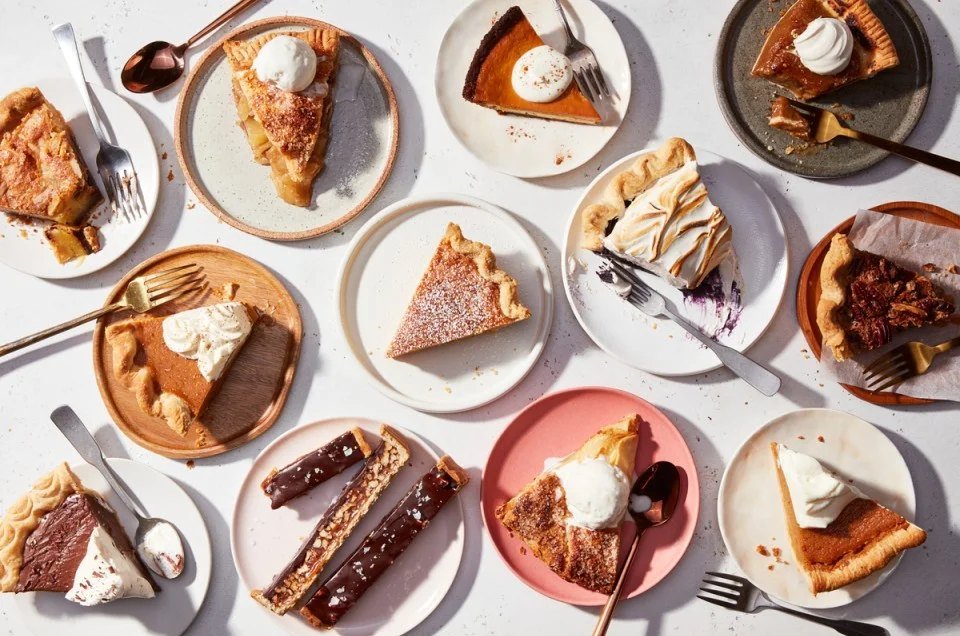
Planning the sweet finale for your holiday dinner? You need a reliable list of Thanksgiving dessert recipes that goes beyond the standard pumpkin pie. While that classic remains a staple, there is a whole world of cookies, cakes, and cheesecakes waiting to impress your guests. This collection offers fifty-one distinct options, ensuring you have a backup plan for every dietary preference and flavor profile. You can mix and match these treats to create a dessert table that feels abundant and thoughtful without requiring you to bake an entire bakery’s worth of goods.
Mastering the Classic Pies
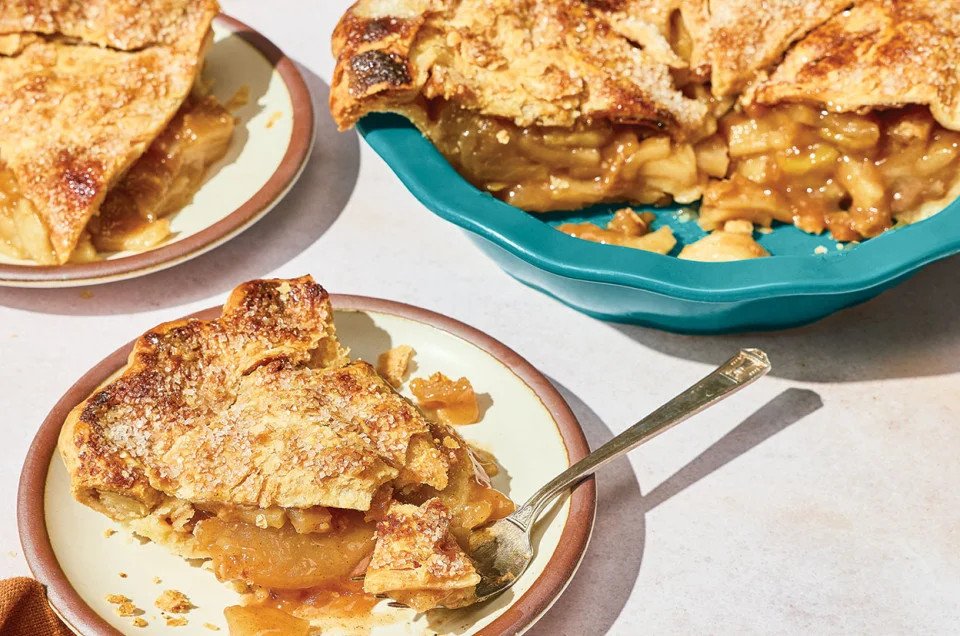
Pies are the heart of the holiday, and getting the crust right is essential. A good pie crust should be flaky and tender, not tough or crumbly. The key often lies in how you handle the dough. You want to keep the butter cold until the last moment before rolling it out. This ensures the layers remain distinct and create that desirable flakiness. Many home cooks struggle with a tough crust, usually because they overwork the dough or let the butter melt too early. By keeping your workspace cool and your hands moving quickly, you avoid this common pitfall. The filling is just as important as the shell. Pumpkin pie filling should be smooth and thick, not runny. If your pie is weeping, it likely needs a bit more time in the oven or a slightly thicker binder. Always let the pie cool completely before slicing. This allows the filling to set properly, giving you clean, beautiful slices that hold their shape on the plate.
Tip for Perfect Crusts
Use ice water when mixing your pie dough. The cold temperature helps keep the butter solid, which is crucial for flakiness. If the dough feels warm or sticky, it has likely been overworked or the butter has melted. Wrap it in plastic and refrigerate it for at least thirty minutes before rolling. This rest period relaxes the gluten and re-solidifies the fat, making the dough easier to work with and resulting in a better final texture. Do not rush this step, as it makes a significant difference in the final product.
Cozy and Chewy Cookies
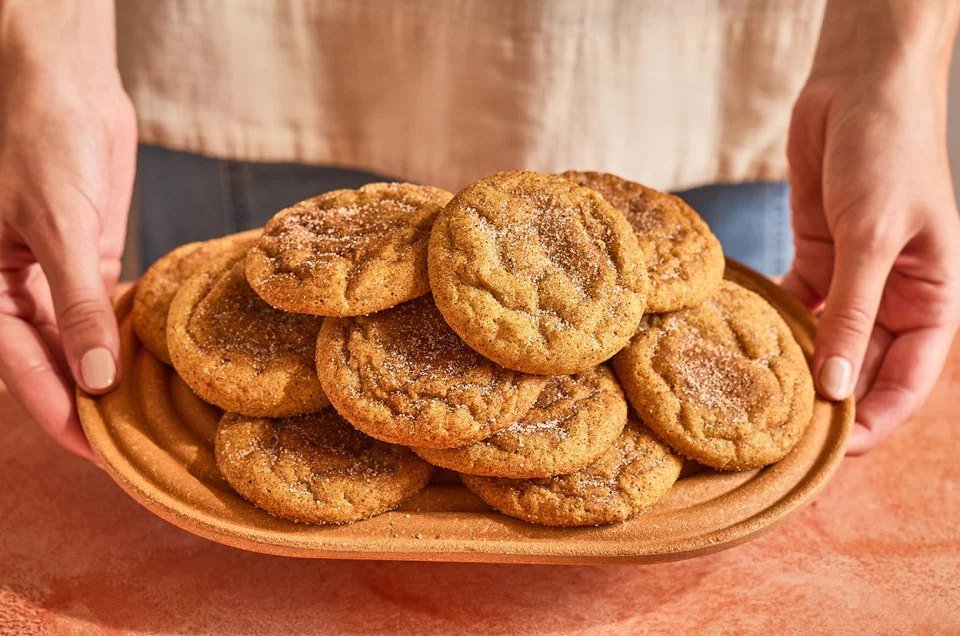
Cookies are the perfect portable dessert for a holiday gathering. They are easy to make in large batches and can be prepared days in advance. This makes them ideal for people who want to bring a contribution to a potluck. You can make soft, chewy centers with crispy edges by balancing the ratio of brown sugar to white sugar. Brown sugar adds moisture and a deeper caramel flavor, while white sugar provides structure and crispness. For a more decadent option, consider adding mix-ins like chocolate chips, nuts, or dried cranberries. These additions provide texture and bursts of flavor that complement the richness of the other desserts. When baking cookies, watch them closely. They are done when the edges are set but the centers still look slightly underdone. They will continue to cook on the hot baking sheet after you remove them from the oven. This residual heat helps them finish cooking without becoming dry.
Common Mistake to Avoid
Do not overmix your cookie dough. Overmixing develops the gluten, which leads to tough, chewy cookies instead of tender ones. Mix until the ingredients are just combined. If you are adding mix-ins, fold them in gently by hand. This ensures an even distribution without compacting the dough. Your cookies will be lighter and more delicate if you handle the dough with care. Trust the visual cues in the recipe rather than relying solely on time, as oven temperatures can vary.
Moist and Flavorful Cakes
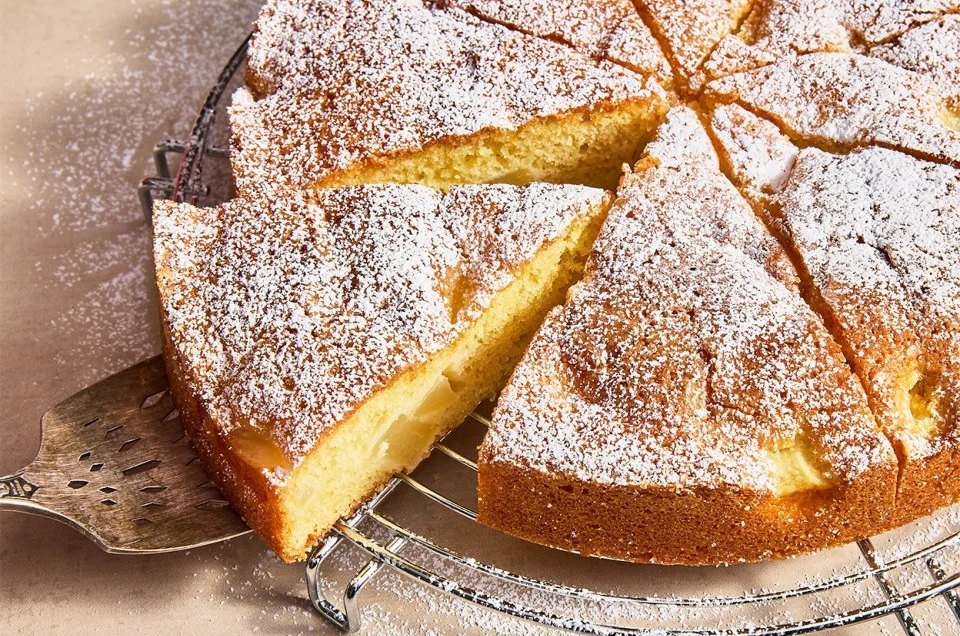
Cakes offer a different texture and experience compared to pies and cookies. They are often lighter and airier, making them a great contrast to hearty main courses. A classic carrot cake or a spiced apple cake fits the holiday theme perfectly. These cakes often feature cream cheese frosting, which adds a tangy element that cuts through the sweetness. When making layered cakes, it is important to bake them at the correct temperature. If the oven is too hot, the centers may sink while the edges burn. Use an oven thermometer to ensure accuracy. Let the cakes cool completely before frosting them. Frosting a warm cake causes the butter in the frosting to melt, resulting in a sliding, messy finish. Patience is the key to a professional-looking cake. You can also make these cakes in advance and store them in an airtight container. They often taste even better the next day as the flavors meld together.
Step for Even Baking
Preheat your oven fully before placing the cakes inside. Use a rack in the middle position to ensure even heat distribution. If you are baking two cakes at once, place them on separate racks but ensure there is space between them. Rotate the pans halfway through the baking time if your oven has hot spots. This helps the cakes bake evenly on all sides. Check for doneness by inserting a toothpick into the center. It should come out clean or with a few moist crumbs. If it comes out wet, bake for a few more minutes. Do not open the oven door too frequently, as this releases heat and can cause the cakes to fall.
Creamy and Rich Cheesecakes
Cheesecakes are a luxurious addition to any dessert table. They are dense and creamy, offering a rich flavor profile that many guests adore. The most common style is the New York cheesecake, which is known for its dense texture and tangy flavor. To achieve this texture, you need to bake the cheesecake in a water bath. This method ensures gentle, even heating and prevents the surface from cracking. The water bath also helps keep the cheesecake moist during the baking process. After baking, let the cheesecake cool in the oven with the door slightly ajar. This gradual cooling process prevents sudden temperature changes that cause cracking. Once fully cooled, refrigerate it for at least four hours, or overnight. This chilling time allows the cheesecake to set firmly, making it easier to slice. Serve with a dollop of whipped cream or a fruit compote for added flavor and color. The contrast between the cold, creamy cheesecake and the warm fruit creates a delightful eating experience.
Preventing Cracks
Cracking is the biggest enemy of the perfect cheesecake. To prevent this, avoid overmixing the batter. Mix the ingredients just until they are smooth and combined. Overmixing incorporates too much air, which expands during baking and then contracts as the cheesecake cools, leading to cracks. Also, ensure your oven is not too hot. Lower the temperature slightly if you notice the top browning too quickly. Cover the cheesecake with foil if needed. The goal is a pale, smooth top. If a small crack does appear, you can cover it with a layer of fruit sauce or crushed graham crackers. This hides the imperfection and adds extra flavor. Do not panic if it happens; it does not affect the taste, only the appearance.