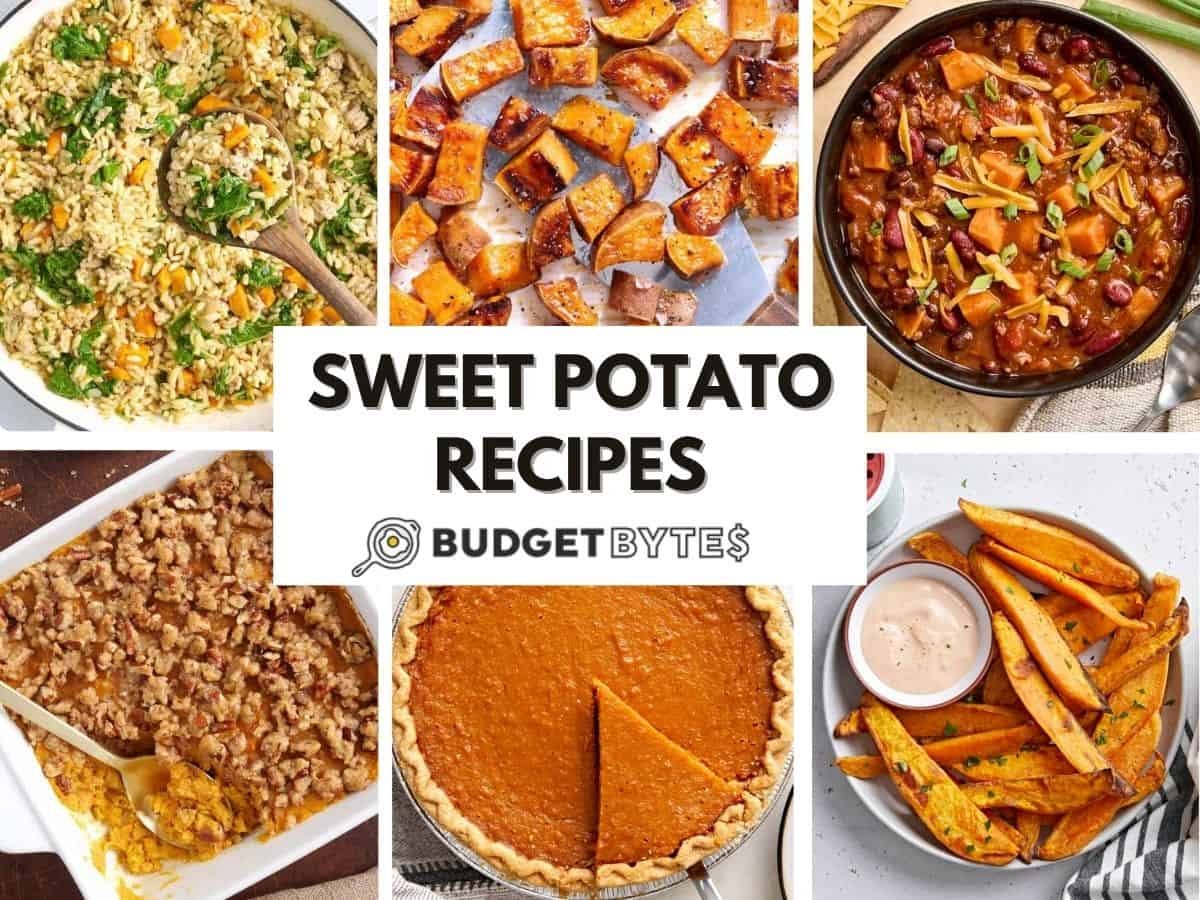
When you are staring at a bag of sweet potatoes wondering what to do with them, you need a plan. These sweet potato recipes cover the full spectrum of flavors and textures, from savory dinner mains to comforting dessert treats. You do not need fancy equipment or expensive ingredients to make these dishes shine. Just a little patience and some basic kitchen tools will turn this humble root vegetable into a star of the table.
Why Sweet Potatoes Belong in Your Pantry
Sweet potatoes are one of the most flexible ingredients you can buy at the grocery store. They are affordable, filling, and available year-round in most regions. Unlike regular potatoes, they bring a natural sweetness that balances well with spicy, salty, or savory elements. This makes them perfect for stretching a budget while still keeping meals interesting for the whole family.
You can use them in almost any cooking method. Roasting brings out their natural sugars, while boiling keeps them moist for mashing. Baking them whole is the easiest route for a side dish, and slicing them thin creates perfect fries. The versatility means you never have to feel stuck with the same old dinner routine. A single bag can yield multiple meals if you plan ahead and mix up your preparation styles.
Mastering the Basics of Preparation
Before you dive into specific dishes, it helps to understand how to handle the vegetable properly. Washing them thoroughly is the first step, as dirt often gets trapped in the crevices of the skin. If you are baking them whole, use a fork to poke several holes in the skin. This allows steam to escape during cooking and prevents the potato from bursting in the oven. Skipping this step can lead to messy results and uneven cooking.
Cutting technique also matters depending on the recipe you choose. For fries or roasted chunks, aim for uniform sizes to ensure they cook at the same rate. If you are making soup, you can be less precise because the blending process will smooth out any irregularities. Always remove the eyes or deep blemishes before cooking, as these spots can be bitter or tough. Proper prep saves time and ensures a consistent texture in every bite.
Tips for Perfectly Baked Sweet Potatoes
Place the potatoes directly on the oven rack or on a sheet pan lined with foil. This allows hot air to circulate around the entire surface, resulting in a crispier skin. Bake at a high temperature until a knife slides in easily. Let them cool slightly before handling, as the steam inside can burn your fingers if you rush the process. A simple sprinkle of flaky salt and a pat of butter elevates the natural flavor without overpowering it.
Comforting Soups and One-Pan Dinners
When the weather turns cold, a bowl of creamy sweet potato soup is exactly what you need. The natural starchiness of the vegetable creates a silky texture without needing heavy cream. You can blend roasted sweet potatoes with broth, garlic, and a pinch of nutmeg for a rich, warming meal. This dish is quick to prepare and freezes well for busy weekdays. It is a great way to use up older vegetables that might not look perfect for roasting.
One-pan dinners are another excellent use for this ingredient. Toss chopped sweet potatoes with onions, bell peppers, and a protein of your choice on a large baking sheet. Drizzle with olive oil and season generously before roasting until tender and caramelized. This method minimizes cleanup and maximizes flavor. The juices from the vegetables create a natural sauce that coats the meat and starch. It is a complete meal in one dish, perfect for weeknights when you want something substantial but easy.
Avoiding the Mistake of Overcrowding
Do not pile the sweet potatoes too thickly on the sheet pan. Space them out so that each piece has room to brown rather than steam. If the pan is too full, the vegetables will release moisture and become soggy instead of crispy. If you have a large batch, use two pans or cook in batches. This small adjustment makes a huge difference in the final texture and taste of your dish.
Snacks, Sides, and Sweet Treats
Sweet potato fries are a crowd favorite that rivals any fast-food option. Slice the potatoes into thin, even sticks and toss them with oil and spices before roasting or frying. They are naturally sweet, so they pair well with savory dipping sauces like yogurt-based dressings or spicy ketchup. You can make these as a snack or a side dish for any main course. They are also a great way to get kids to eat more vegetables without realizing it.
For dessert, sweet potatoes shine in pies, cakes, and even simple baked goods. Their natural sweetness reduces the need for added sugar, making for a healthier treat. A classic sweet potato pie with a spiced filling and a graham cracker crust is a holiday staple. You can also use mashed sweet potatoes in muffins or bread for a moist and tender crumb. These options prove that the vegetable is not just for savory meals. It adds depth and richness to sweet dishes as well.
Choosing the Right Variety
Not all sweet potatoes are created equal. Some varieties have lighter, drier flesh, while others are darker and moister. For baking and roasting, choose firm, unblemished tubers with smooth skin. For mashing, softer varieties work well because they break down easily. Check the label or ask the produce clerk for recommendations based on your intended use. The right choice ensures the best texture and flavor for your specific recipe.
Storing and Stretching Your Ingredients
Proper storage keeps your sweet potatoes fresh for weeks. Keep them in a cool, dark, and well-ventilated area away from direct sunlight. Do not store them in the refrigerator, as cold temperatures can change the texture and make the skin tough. If you have cut potatoes, wrap them tightly in plastic or store them in an airtight container in the fridge. They will last a few days, so plan to use them soon.
Batch cooking is a smart strategy for saving time and money. Roast a large batch of sweet potatoes at once and store them in the refrigerator. You can then use them in salads, soups, or wraps throughout the week. This reduces daily cooking time and helps you stay on budget. Leftovers can also be frozen for later use, making them a convenient pantry staple. Having pre-cooked sweet potatoes on hand means you can whip up a meal in minutes when you are short on time.
Repurposing Leftovers
Leftover sweet potatoes do not have to go to waste. Mash them with a little butter and salt for a quick side dish. Or, cube them and add them to a stir-fry or curry for extra substance. You can even blend them into smoothies for a boost of vitamins and fiber. Getting creative with leftovers is key to minimizing food waste and maximizing value. Think outside the box and try using them in new ways each week.