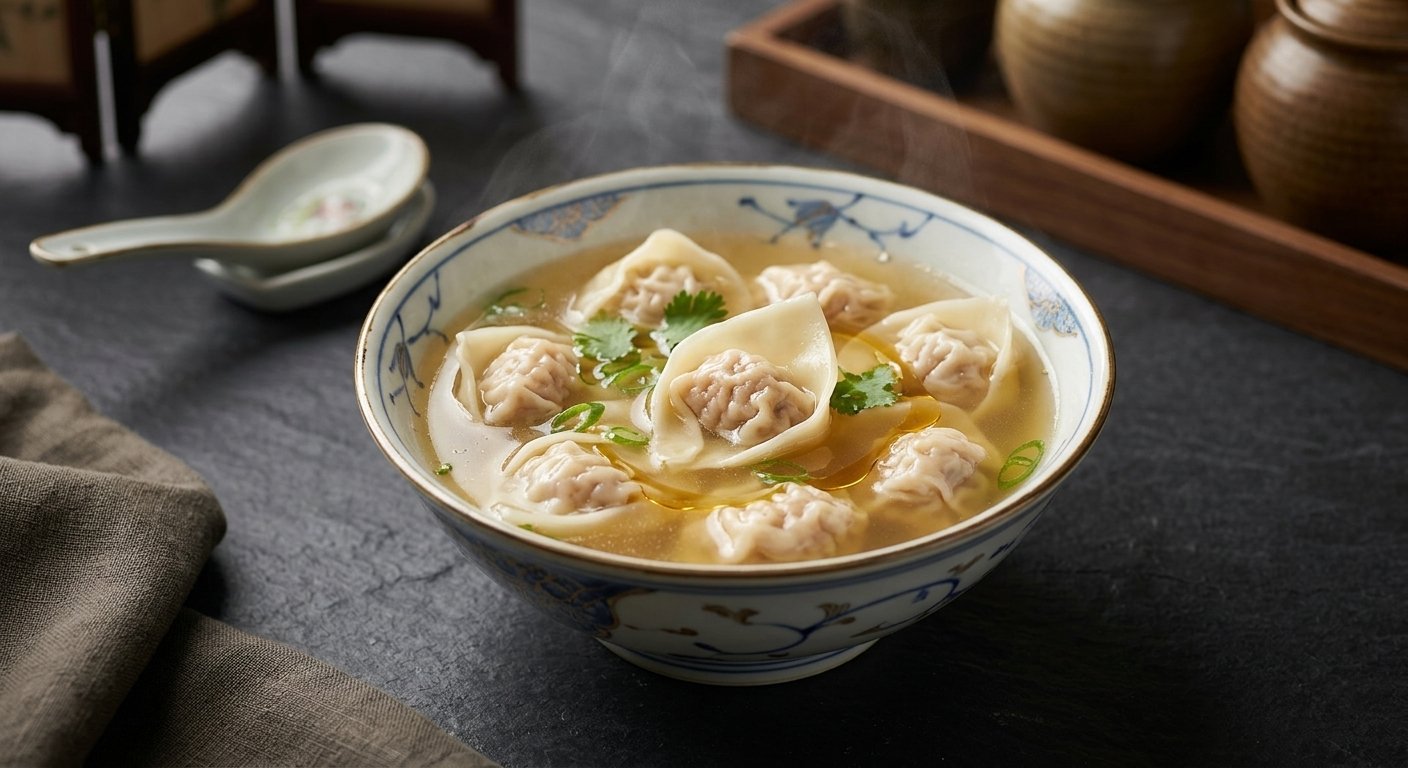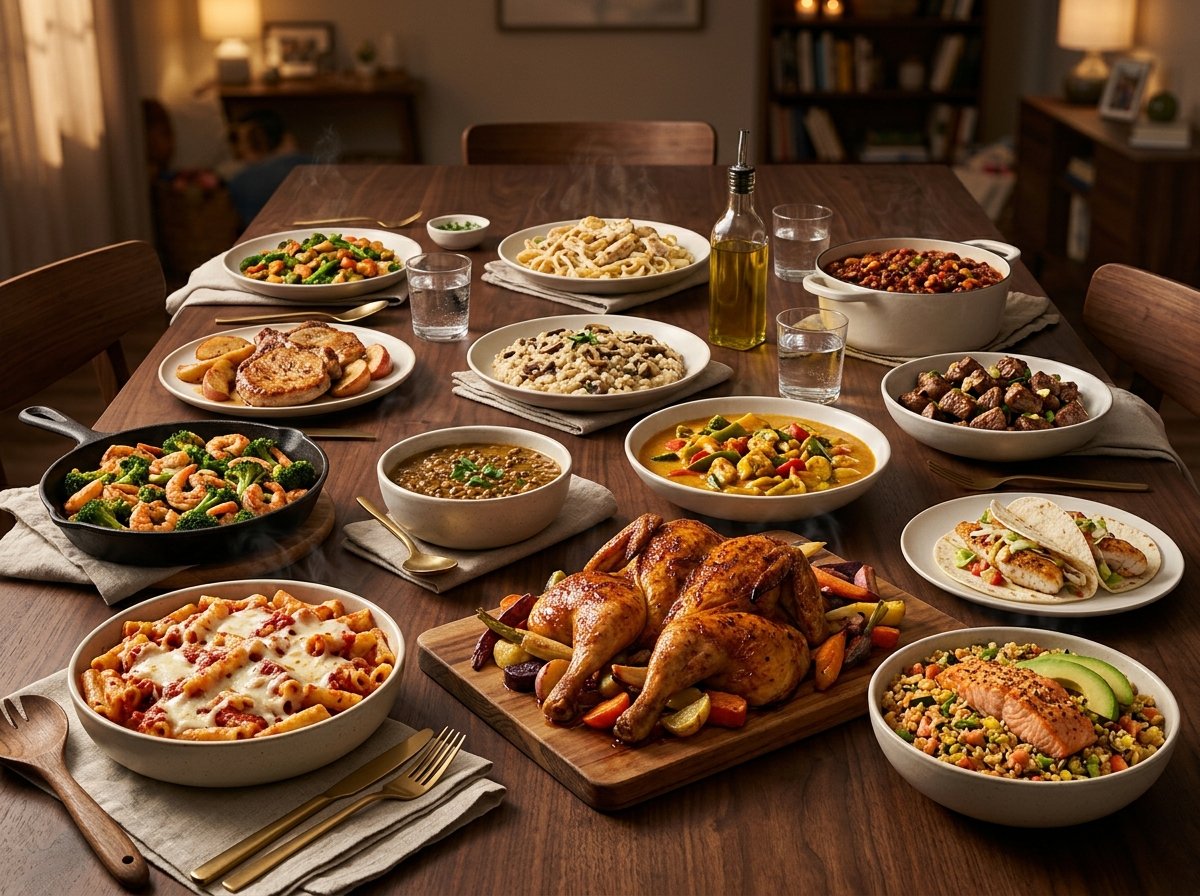
Beautiful food isn’t only for restaurants. With a few plating habits, everyday meals look more inviting — which somehow makes them taste better too.
This spotlight breaks down contrast, height, negative space, and finishing touches that turn a home skillet into something you’d photograph without filtering.
Feed the eyes first; the palate follows.
Choose a plate with breathing room. Crowding reads as clutter. Spoon sauces under or around food rather than drowning it. Place the hero ingredient slightly off-center and build supporting elements around it.
Contrast that tells a story
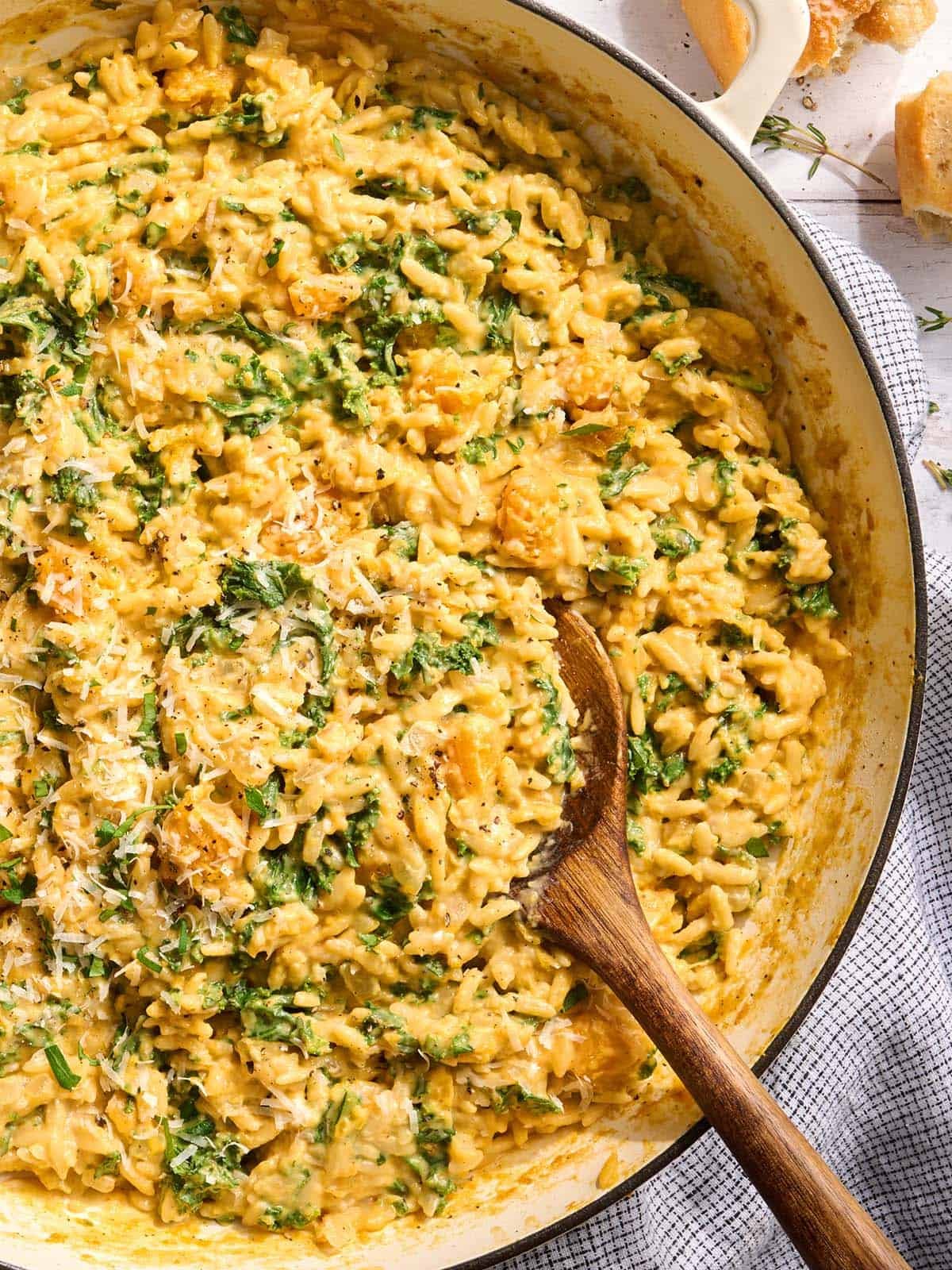
Pair soft with crunchy, bright with rich, tall with flat. A creamy puree beside seared vegetables, toasted nuts over a soup, pickled onion on fatty fish — contrast keeps each bite interesting.
Color matters. Green herbs, red chili oil, and dark reductions make beige plates come alive. Wipe the rim before serving; clean edges signal care.
A garnish should taste as good as it looks — or leave it off.
Practice on weeknights
You don’t need tweezers. Use a spoon to swipe sauce, tongs to stack greens, and fingers to place the last herb leaves. Practice on toast dinners and bowls until it feels natural.
When food looks considered, guests feel considered — including the guest who is you at the end of a long day.