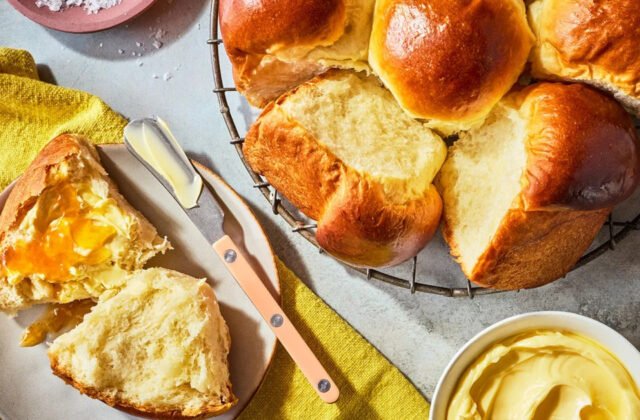
If you are looking for the perfect addition to your holiday spread, these 16 Thanksgiving dinner roll recipes provide everything from buttery classics to soft, pillowy yeast breads that everyone at the table will love. A warm roll is truly non-negotiable when it comes to soaking up gravy or enjoying a bit of cranberry sauce, and making them from scratch is easier than you might think.
Why Homemade Rolls Matter for Holidays
There is something special about the smell of yeast dough rising in a warm kitchen while the turkey roasts in the oven. Store-bought options simply cannot compete with the texture and flavor of a roll pulled straight from your own baking sheet. When you bake your own bread, you control the quality of the ingredients, ensuring every bite is as soft or as crusty as your family prefers.
The importance of fresh yeast
Always check your yeast expiration date before you start mixing your dough. If your yeast does not foam up in warm water after about ten minutes, it is likely dead and will not give your rolls the rise they need. Starting with active, healthy yeast is the most important step in ensuring your rolls turn out light and airy rather than dense or flat.
Many of these recipes rely on basic pantry staples like flour, sugar, salt, and butter. By keeping your ingredients simple, you allow the natural flavor of the wheat to shine through. Whether you prefer a dense, hearty roll or a light, brioche-style bun, the secret often lies in how long you let the dough proof before it hits the oven.
Classic Thanksgiving Dinner Roll Recipes
The traditional dinner roll is a staple for a reason, offering a neutral, buttery base that complements any main course. These recipes often focus on a standard enriched dough that uses milk and butter to create a tender crumb. You can shape these into simple balls, knots, or even cloverleaf shapes to add a bit of visual interest to your holiday plate.
Mastering the perfect roll shape
To get uniform rolls, use a kitchen scale to weigh your dough portions before shaping them. Aim for pieces that are roughly two ounces each so they bake at the same rate. When shaping, tuck the edges of the dough underneath to create a smooth, tight surface on top, which helps the rolls rise evenly in the oven.
If you are short on time, look for recipes that utilize a single rise or a quick-acting yeast. These methods still produce a delicious result without requiring you to spend all day in the kitchen. Remember to brush the tops with a little melted butter or an egg wash right before baking to achieve that beautiful, golden-brown sheen that looks so inviting on a holiday table.
Adding Flavor and Texture Variations
Once you have mastered the basic technique, you can start experimenting with different flavors to make your rolls stand out. Some of the best Thanksgiving dinner roll recipes incorporate herbs like rosemary, thyme, or sage into the dough to echo the flavors of your stuffing and turkey. You could also sprinkle a little sea salt or cracked black pepper on top for a savory finish.
Avoiding common dough mistakes
A common mistake is adding too much flour while kneading, which can make the rolls tough and dry. Keep your work surface lightly floured and try to handle the dough as little as possible once it starts to come together. If the dough feels a bit sticky, that is usually a sign that it will result in a softer, more moist roll after baking.
Another way to change things up is by using different types of flour, such as a mix of bread flour and whole wheat. Bread flour has a higher protein content, which gives the rolls a bit more chew, while whole wheat adds a nutty depth that pairs well with autumn flavors. You can even add a touch of honey or maple syrup to the dough for a hint of sweetness that balances the savory notes of a heavy Thanksgiving meal.
Serving and Storing Your Holiday Bread
Serving your rolls warm is the final touch that makes all your hard work worth it. If you bake them a day early, you can easily reheat them in a low-temperature oven for a few minutes before guests arrive. Place them in a bread basket lined with a clean kitchen towel to keep them warm and soft throughout the entire dinner.
Reheating tips for soft rolls
To reheat your rolls without drying them out, wrap them loosely in foil and place them in a 300-degree oven for about ten minutes. The foil traps the steam, which helps soften the crust and brings the interior back to its original, pillowy state. Avoid the microwave if possible, as it tends to make bread rubbery once it cools down.
If you have leftovers, store them in an airtight container at room temperature for a day or two, or freeze them for up to a month. Freezing is a great way to get ahead of your holiday prep, as you can bake a large batch weeks in advance. Just remember to let them cool completely before bagging them up, otherwise, condensation will make the crust soggy.