If you have ever stared at a half-eaten dessert on your counter and wondered how long does pie last in the fridge, you are certainly not alone. Keeping your baked goods fresh is a common kitchen struggle, but understanding the basics of food safety makes the process much easier. Most fruit and custard pies can stay in the refrigerator for a few days if you store them properly, ensuring that your hard work in the kitchen doesn’t go to waste.
Understanding Pie Storage Basics
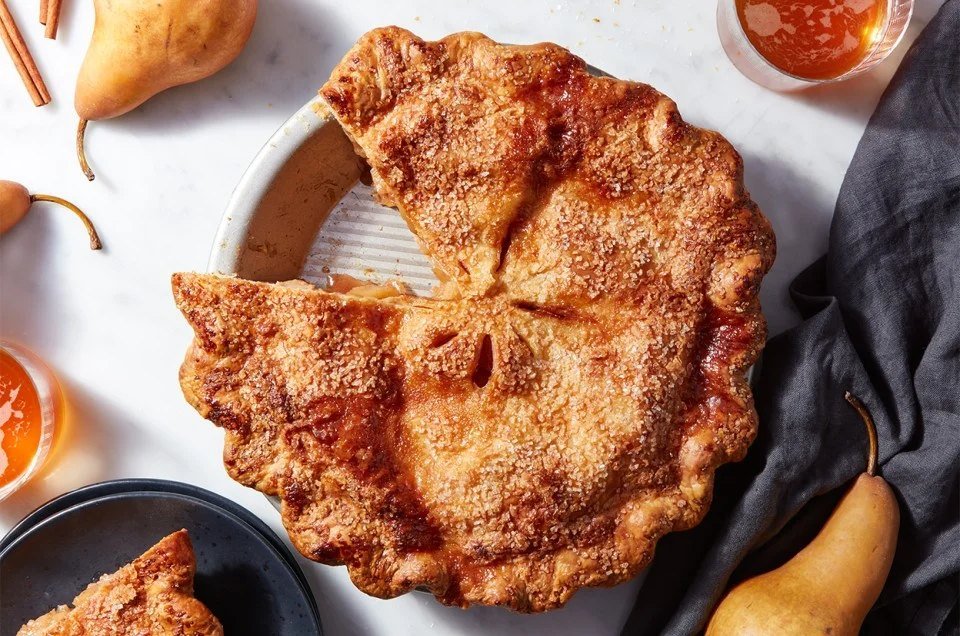
The first thing to remember is that not all pies are created equal when it comes to shelf life. Fruit pies, like apple or cherry, tend to hold up quite well because the sugar and acid content act as a natural preservative. However, custard or cream-based pies, such as pumpkin or chocolate silk, are much more delicate and require stricter temperature control.
Always let your pie cool completely on a wire rack before you even think about putting it in the fridge. If you cover a warm pie, the trapped steam will create condensation, leading to a soggy, unappealing crust. Once it reaches room temperature, it is ready for its cold storage home.
The importance of airtight containers
You should never leave a pie sitting uncovered in the refrigerator. It will quickly absorb the smells of other foods, like onions or leftover roast, which ruins the delicate flavor of your crust. Use a dedicated pie carrier or wrap the dish tightly in plastic wrap to keep it fresh.
How Long Does Pie Last Safely
When you are asking how long does pie last, the answer usually falls into a specific window of time. For most fruit pies, you can expect them to stay good for about three to four days when kept in the refrigerator. If you push past that four-day mark, the quality of the crust will start to decline significantly, becoming soft and losing that crisp texture we all love.
Custard and pumpkin pies have a slightly shorter lifespan due to their high moisture and dairy content. These should be consumed within two to three days for the best quality and safety. If you notice any strange odors or changes in the texture of the filling, it is always better to play it safe and toss it out.
Checking for signs of spoilage
Before you take that first bite of a leftover slice, take a quick look at the surface. If you see any signs of mold or if the filling looks separated or watery, it has likely reached the end of its life. Trust your senses, as they are your best tool for determining if a dessert is still worth eating.
Best Practices for Chilling Desserts
To keep your pie in the best shape possible, place it on a middle shelf in your refrigerator where the temperature remains consistent. Avoid putting it in the door, as the frequent temperature fluctuations every time you open the fridge can speed up the spoilage process. A steady, cold environment is the secret to maintaining that perfect texture.
If you find yourself with too much pie to finish in a few days, consider freezing the leftovers instead. You can slice the pie into individual portions and wrap them tightly in foil before placing them in a freezer-safe bag. This method allows you to enjoy a treat weeks later without worrying about the clock ticking down.
Reheating for the best flavor
When you are ready to eat a cold slice, you might want to warm it up slightly to bring back that fresh-from-the-oven feel. A quick trip to a low-temperature oven for about ten minutes works wonders for reviving a fruit pie. Avoid the microwave if possible, as it tends to make the crust chewy rather than crisp.
Common Mistakes to Avoid
One of the biggest mistakes home cooks make is leaving a pie out on the counter for too long after dinner. While it might seem fine, bacteria can grow rapidly at room temperature, especially with cream-based fillings. Get those leftovers into the fridge within two hours of baking or serving to keep everything safe.
Another error is using a container that is too large, which leaves too much air circulating around the pie. A snug fit is much better for preventing the edges of the crust from drying out. If you don’t have a pie-specific container, a simple piece of parchment paper pressed against the cut side of the pie before wrapping can help maintain moisture.
Managing your kitchen workflow
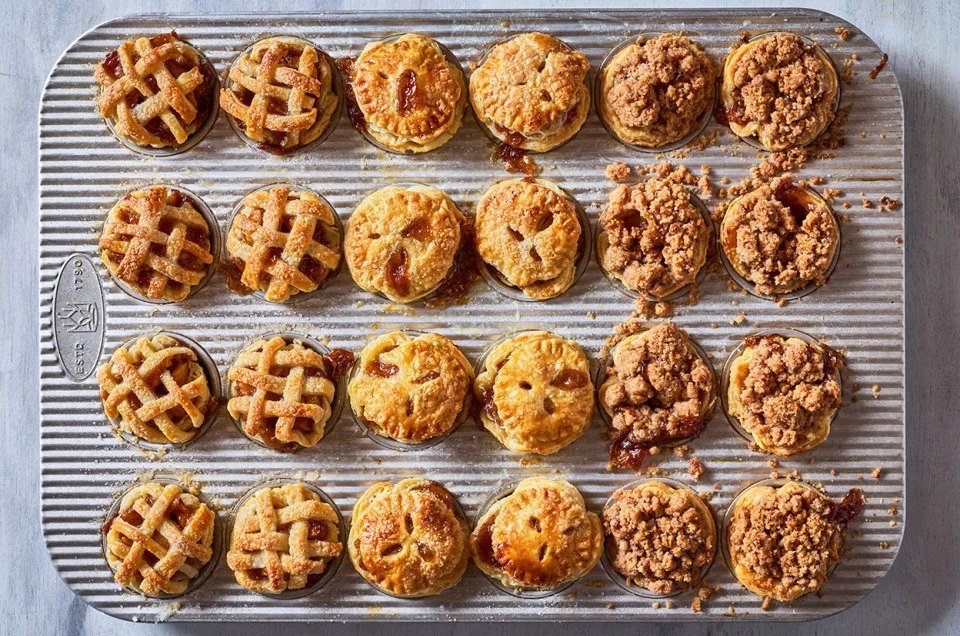
If you know you are hosting a large group, plan your dessert service so you aren’t left with an entire pie to store. You can bake smaller individual pies or tarts, which are much easier to manage and store in the fridge. This approach minimizes waste and ensures that every slice you serve is as fresh as possible.