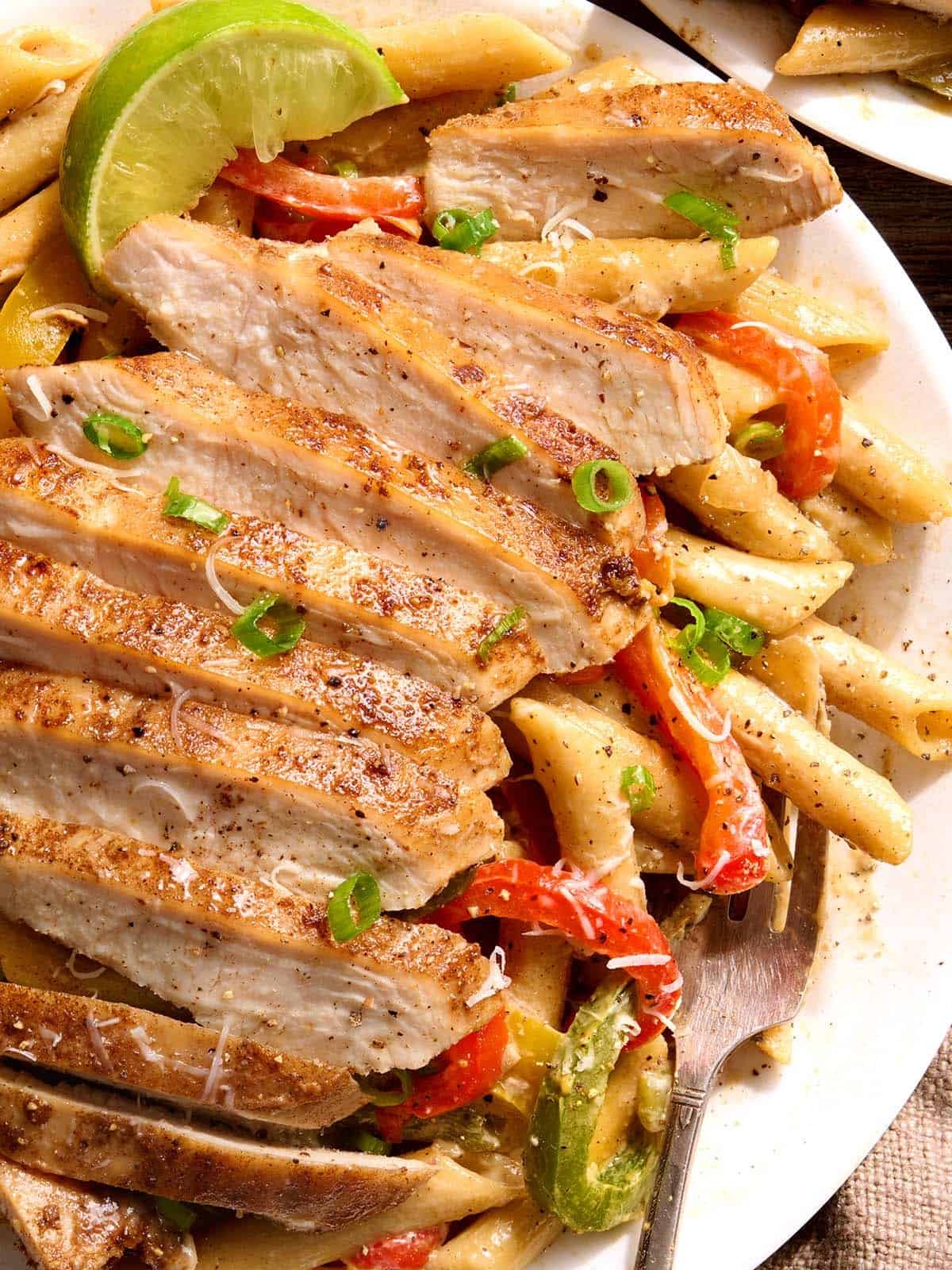
If you are looking for a spicy, creamy dinner that comes together quickly, this Rasta Pasta is the one to make. It combines bold jerk seasoning with tender chicken and vibrant bell peppers, all simmered in a rich Parmesan sauce. You only need one skillet and about 45 minutes to get a hearty meal on the table that costs just $2.80 per serving. It is the perfect way to switch up your standard pasta night without breaking the bank.
The Story Behind the Name
You might wonder where this dish comes from. It is believed to have started in Negril, Jamaica, back in 1985. A chef named Lorraine Washington served homemade fettuccine with tomato sauce and ackee to a group of construction workers. The red, gold, and green colors of the food matched the Rastafari movement flags. One of the workers suggested naming it Rasta Pasta, and the name stuck. While my version is a budget-friendly twist, it keeps that spirit of color and flavor alive in every bite.
Ingredients and Prep Work
Gathering your ingredients is straightforward. You will need penne pasta, boneless chicken thighs or breasts, and three bell peppers: red, yellow, and green. These colors are essential for the visual appeal of the dish. You also need jerk seasoning, which provides the heat and depth. For the sauce, you will use chicken broth, half-and-half, and fresh Parmesan cheese. Do not use heavy cream here; half-and-half keeps the cost down while still providing a luxurious texture. Chop the peppers into bite-sized pieces and cut the chicken into uniform chunks so they cook evenly.
Prepping the Chicken
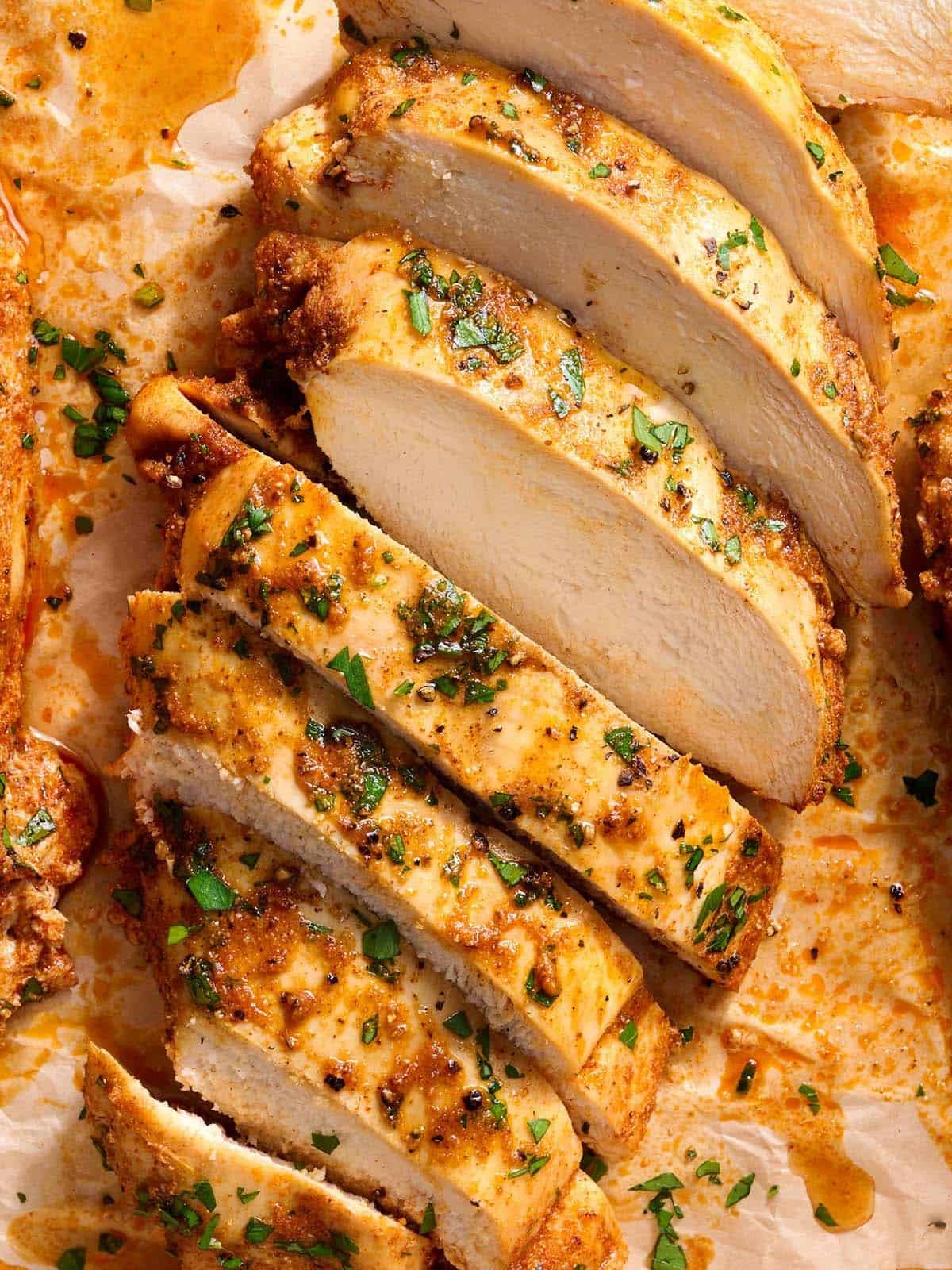
Pat the chicken dry before seasoning it. Moisture is the enemy of a good sear. Toss the chicken pieces in the jerk seasoning until they are well coated. You want a thick, even layer of spice on every piece. Set them aside while you get the other ingredients ready. This step ensures the flavor penetrates the meat during cooking.
Chopping the Peppers
Cut the red, yellow, and green bell peppers into similar-sized strips or chunks. Consistency helps them cook at the same rate. You want them to remain slightly crisp but tender. Do not over-chop them, or they will disappear into the sauce. The bright colors look stunning against the pale pasta and white sauce.
Step-by-Step Cooking Method
Start by heating a large skillet over medium-high heat. Add a little oil and sear the jerk-seasoned chicken. Cook until browned on all sides, then remove the chicken from the pan and set it aside. This step builds a flavorful fond, or browned bits, on the bottom of the skillet. Do not scrub this away; it is pure flavor. Lower the heat to medium and add the bell peppers to the same skillet. Sauté them for a few minutes until they begin to soften and release their juices. This infuses the oil with their sweetness and color.
Searing the Chicken
Work in batches if your skillet is crowded. You want the chicken to sear, not steam. If you crowd the pan, the temperature drops, and the meat will release liquid instead of browning. Wait for that golden crust to form. It takes a few minutes per side. The jerk seasoning will darken as it cooks, creating a beautiful mahogany color.
Simmering the Pasta
Here is the secret to easy cleanup: you do not boil the pasta separately. Add the chicken broth to the skillet with the peppers. Bring it to a simmer, then add the dry penne pasta. Stir well to coat the noodles in the liquid. Cover the skillet and let it simmer. The pasta absorbs the broth and the savory flavors of the chicken and peppers. As it cooks, it releases starch, which helps thicken the liquid into a sauce. Check it after a few minutes to ensure the liquid level is just right.
Creating the Creamy Sauce
Once the pasta is al dente and most of the liquid has been absorbed, remove the skillet from the heat. This is crucial. If you keep the heat on, the sauce might break. Stir in the half-and-half. The residual heat from the pasta and broth is enough to warm the dairy and create a smooth, creamy base. Then, stir in the grated Parmesan cheese. It melts quickly into the warm liquid, coating every piece of pasta, chicken, and pepper. The result is a rich, velvety sauce that balances the heat of the jerk seasoning. Taste it and adjust with salt if needed, though the Parmesan usually provides plenty of savoriness.
Mixing in the Dairy
Be gentle when stirring in the half-and-half. You want a smooth emulsion, not a broken mess. The starch from the pasta helps bind the fats and liquids together. If the sauce looks too thin, let it sit for a minute off the heat. It will thicken as it cools slightly. If it is too thick, add a splash of the reserved broth or water.
Final Assembly
Return the seared chicken to the skillet. Stir everything together one last time to ensure the chicken is coated in the creamy sauce. Let it sit for a minute to heat through. The contrast of the spicy chicken, sweet peppers, and creamy pasta is what makes this dish work. It is hearty enough for a main course but light enough for a quick weeknight dinner. Serve it immediately while the cheese is still melty.
Tips for Best Results
There are a few things to keep in mind to get this dish right. First, do not skimp on the jerk seasoning. It is the star of the show. You need enough to coat the chicken well. Second, use fresh Parmesan cheese. Pre-shredded cheese often contains anti-caking agents that prevent it from melting smoothly. Grating your own block ensures a silky texture. Finally, pay attention to the liquid level when simmering the pasta. You want the pasta to absorb the broth, not float in it. If it gets too dry before the pasta is done, add a small amount of extra broth. If it is too wet, uncover the skillet and let it simmer until the excess evaporates.
Managing the Heat
Jerk seasoning varies in intensity. Start with a moderate amount and taste a piece of chicken before adding more. Some blends are milder than others. You want warmth, not burn. The creamy sauce helps mellow the heat, but you still want to be able to taste the spices. Adjust to your personal preference. Most people enjoy a noticeable kick without overwhelming pain.
Storage and Reheating
This Rasta Pasta keeps well in the refrigerator for up to three days. Store it in an airtight container. When you are ready to eat it again, reheat it gently on the stovetop. Add a splash of water or half-and-half to loosen the sauce, as it will thicken significantly as it cools. Stir frequently to prevent sticking. It also freezes well, though the texture of the peppers may change slightly. Thaw it in the fridge overnight before reheating. It is a great option for meal prep if you want to enjoy bold flavors throughout the week. Just remember that the pasta will absorb more liquid as it sits, so you might need to add a bit more cream when reheating.