When you check a bag of baking flour, you might spot an unfamiliar item on the label: flour enzymes. We put a lot of thought into every single component that goes into our products and recipes. Our strict food philosophy guides every single choice we make to keep our baking goods top quality. Let us talk about why this ingredient sits inside your favorite bag of flour and what it really means for your kitchen counter.
Why Millers Add Flour Enzymes
Baking is pure chemistry, and millers use tiny catalysts to help the process along. These natural proteins speed up specific reactions in your dough without changing the core nature of the grain. When you mix your dry goods with water, these elements get to work right away. They help break down complex starches into simpler sugars that yeast loves to eat. That extra food keeps your yeast active and happy throughout the proofing phase.
You will not taste these proteins in your finished loaf of sandwich bread or dinner rolls. Instead, you just notice better volume and a nicer crust color on your baked goods. Millers add them to make sure your results stay consistent from one bag to the next. Natural grain crops vary quite a bit depending on the weather and soil conditions each year. These added elements help even out those natural shifts so your recipes turn out right every time.
Checking the Ingredient Label
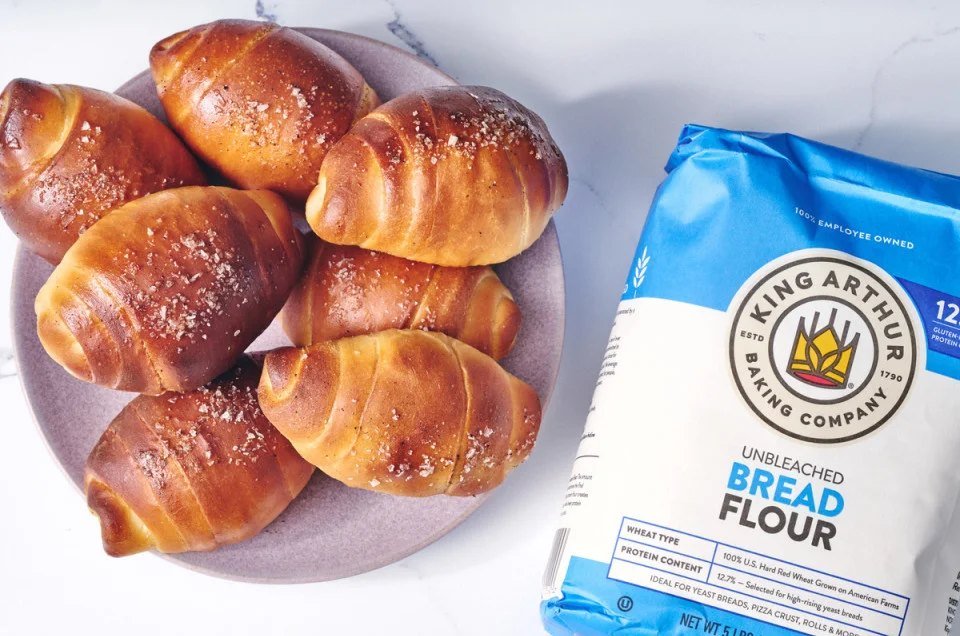
Take a second to look at the side of your flour bag next time you unpack your groceries. You might see the word listed right near the malted barley flour or ascorbic acid. Companies add them for specific performance traits, and we take great care in picking them. We believe in total transparency so you always know what goes into your mixing bowls. Knowing your ingredients simply makes you a better, more confident home baker.
The Role of Natural Proteins in Dough
Working with dough every weekend teaches you how important consistency really is for a good crumb structure. Natural proteins help gluten develop nicely and give your yeast a steady supply of energy. Without them, heavy whole grain doughs might struggle to rise properly on a busy Tuesday evening. These helpers make the whole fermentation process much smoother for home cooks.
Think of them as quiet little workers hiding inside your pantry staple. They do the heavy lifting while your dough rests quietly on the kitchen counter. You just mix, knead, and wait for that lovely rise to happen naturally. It is a smart way to bridge the gap between farm harvests and your home oven.
Keeping Quality High
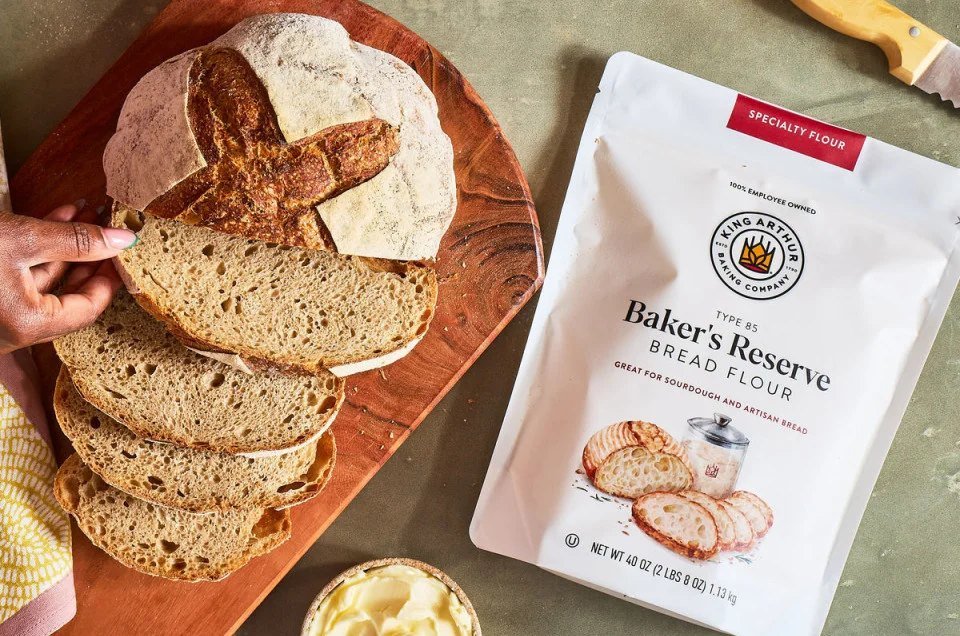
Our team spends countless hours testing different grain blends to find the best possible combinations for your kitchen. Every choice we make stems from a strict food philosophy focused on pure quality. We want your sourdough boules and sweet pastries to turn out great every single time. Paying attention to these small details ensures your baking projects succeed.
How Grain Varies Over Time
Wheat is an agricultural crop, which means no two harvest seasons are ever completely identical. Rain, sunshine, and soil health change the natural makeup of the wheat berries each year. Millers use targeted additions to balance out those natural variations in the grain. That way, your favorite recipe still behaves the exact same way it did last winter.
This careful balancing act takes the guesswork out of your baking routine. You do not have to worry about your bread failing just because the weather was different this year. The science works quietly behind the scenes to protect your hard work in the kitchen.
Trusting Your Ingredients
Baking is an act of care, and knowing your ingredients builds real trust in your own cooking skills. When you read a label and understand each term, you feel more in control of the final loaf. Keep exploring your favorite recipes and asking questions about how things work. That curiosity is what makes home baking so endlessly fun and rewarding.
Bringing It All Together
Understanding what goes into your pantry staples helps you become a much sharper cook. Those tiny additions in your flour bag serve a very specific purpose for your weekend projects. They support the yeast, improve the crust, and keep your baking results steady. Now you can head back to the kitchen with a bit more knowledge in your back pocket.
Grab your favorite mixing bowl and get ready to bake something warm for dinner tonight. Whether you are mixing a quick batch of biscuits or a complex loaf of sourdough, science is on your side. Trust your ingredients, follow your favorite recipes, and enjoy the delicious results.
Starting Your Next Bake
Clear off your counter, measure out your flour, and let the baking adventure begin. You have everything you need to make something wonderful right in your own kitchen today.