Choosing the right fruit is the single biggest factor in whether your dessert holds its shape or collapses into a soggy mess. If you have ever wondered what the best apples for pie actually are, you are not alone. The grocery store shelves are overflowing with options, but not every sweet, juicy snack apple will survive the heat of the oven. We looked closely at six popular varieties to see which ones maintain their structure and flavor after baking. The results are surprising and will save you from a disappointing dessert.
Why Texture Matters More Than Sweetness
Many home bakers assume that the sweetest apple is the best choice. This is a common mistake that leads to dense, starchy filling. You need a fruit that resists breaking down into a puree. The ideal pie apple has a firm flesh that stays distinct even after thirty minutes in the oven. If the slices merge together, your pie loses its visual appeal and textural contrast. You want to bite into a slice and feel the individual pieces, not a thick, gelatinous mass.
The Starch-to-Sugar Ratio
Apples vary significantly in their internal composition. High-starch varieties tend to be tart and firm. These are the workhorses of the baking world. They provide structure and a bright acidity that cuts through the richness of the crust and butter. On the other hand, high-sugar apples are soft and prone to browning quickly. They are perfect for eating raw, but they often disintegrate when exposed to sustained heat. For a successful bake, you are looking for that specific balance where the fruit remains whole but tender.
Testing the Popular Varieties
We selected six varieties that are commonly available in the United States during the fall season. Each one was sliced uniformly and baked in identical conditions to ensure a fair comparison. The goal was to see how each type behaved under pressure. Some held their shape beautifully, while others turned to applesauce before the crust was even golden brown. The differences were stark and immediate. You could tell just by looking at the pie which varieties were worth your time and which ones should be left for snacking.
Granny Smith: The Classic Choice
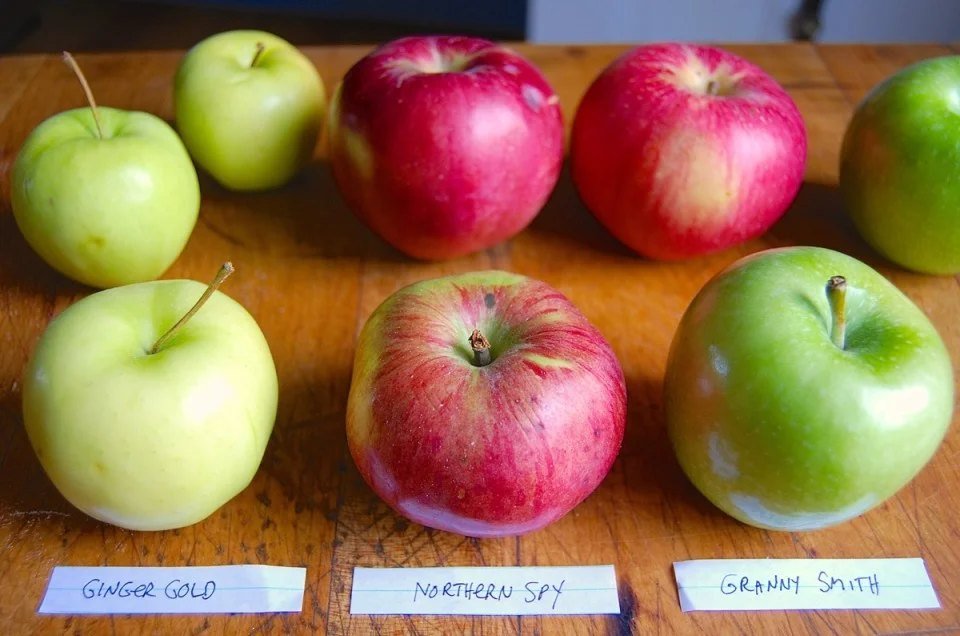
Granny Smith apples are bright green and intensely tart. They are the most famous pie apple for a reason. Their high acid content helps balance the sugar in the filling. However, they can be a bit too sharp for some palates. If you prefer a milder flavor, you might find them too aggressive. That said, their firm texture is unmatched. They slice cleanly and stay separate in the pan. This makes them a safe and reliable option for first-time bakers who want a guaranteed result.
Understanding Flavor Profiles
Texture is only half the battle. You also need to consider the flavor notes that each apple brings to the table. Some varieties have floral hints, while others taste more like honey or cinnamon. These nuances change the overall character of the pie. A pie made with all Honeycrisp apples will taste very different from one made with all Braeburns. The right choice depends on what you want the final product to taste like. Do you want a bright, zesty dessert or a warm, spicy one? Your apple selection dictates the answer.
Balancing Tart and Sweet
Many bakers achieve the best results by mixing varieties. This is a pro tip that you can use in your own kitchen. Pair a very tart apple with a sweeter, firmer one. The tartness provides depth, while the sweetness rounds out the edges. This combination creates a complex flavor profile that tastes sophisticated. It also helps with texture, as different apples break down at slightly different rates. This creates a filling that has both firm pieces and softer, jammy areas. It is a technique that adds dimension without much extra effort.
How to Pick the Perfect Fruit
Now that you know what to look for, here is how to apply that knowledge at the store. First, check the firmness of the skin. Press gently with your thumb. The apple should yield slightly but not feel soft or mushy. Avoid any fruit with bruises or soft spots. These areas will break down faster and can ruin the consistency of the entire pie. Look for apples that feel heavy for their size. This indicates they are full of juice and moisture. A dry, light apple will result in a bland, crumbly filling.
Storage and Freshness Tips
Apples continue to ripen after they are picked, but they also continue to lose moisture. Buy them as close to your baking day as possible. If you cannot bake immediately, store them in the refrigerator. Keep them in a plastic bag with a few holes for ventilation. This slows down the ripening process and keeps them crisp. Do not store them in the same bin as bananas or other ethylene-producing fruits. These gases accelerate ripening and can turn your firm baking apples into soft ones before you are ready to use them. Freshness is key to a great pie.
Final Thoughts on Your Pie
There is no single “perfect” apple, but there are certainly better choices than others. The varieties that held up best in our testing were those with a firm, crisp texture and a balanced acidity. You do not need to be a professional to make a great pie. You just need to make informed choices. By selecting the right fruit, you set yourself up for success before you even crack an egg. The crust will be flaky, the filling will be vibrant, and the taste will be unforgettable. Take your time at the produce section. It is worth it for the final result. Your family will thank you for the effort.
Common Mistakes to Avoid
One major error is using apples that are too ripe. They will turn to mush and release too much liquid. This can make the crust soggy and the filling watery. Another mistake is not peeling the apples properly. While some bakers leave the skin on, it can become tough and chewy after baking. For a smooth, uniform texture, peeling is recommended. Finally, do not skip the cinnamon or spices. They complement the natural flavors of the apple and enhance the overall experience. A little spice goes a long way in making the pie taste homemade and comforting. Avoid these pitfalls and you will have a delicious dessert every time.