If you have ever cut into a beautiful pie only to find a wet, pale, and undercooked bottom, you know the frustration. The fix is not complicated, but it requires a specific technique called how to prebake pie crust. This step ensures your shell is fully cooked and crisp before you add wet ingredients. It is the difference between a professional-looking dessert and a disappointing mess.
Why Your Crust Needs This Step
Many pie recipes call for a raw crust to be filled with wet ingredients like custard, cream, or raw fruit. If you bake it this way, the moisture from the filling soaks into the bottom layer of the dough. The heat from the oven is often not enough to dry out and brown that bottom layer before the top is done. This results in a “flabby” texture that feels like raw dough rather than crisp pastry.
Prebaking, or blind baking, solves this by cooking the crust completely before the filling is added. You are essentially making a standalone baked good that acts as a bowl. By the time you pour in the custard or place the fruit, the bottom is already set and browned. This barrier prevents the moisture from making the pastry soggy. It is a non-negotiable step for many classic desserts.
Common Mistake: Skipping the Venting
One of the most common errors is forgetting to vent the crust properly. If you do not let steam escape, the bottom will bubble up and become uneven. You can use pie weights, dried beans, or rice to hold the crust down. Do not skip this. The weight keeps the sides from collapsing and the bottom from puffing. It ensures an even, flat surface for your filling.
The Method for a Perfect Shell
Start by rolling out your dough and fitting it into a standard pie pan. Trim the excess dough, leaving a small overhang. Fold the edges over the rim and crimp them nicely. This sets the structure. Now, line the crust with parchment paper or foil. It should fit snugly against the bottom and sides. This barrier is crucial for the next step.
Add your weights to the center of the crust. They should cover the entire bottom surface evenly. Place the pan in a preheated oven. The temperature is usually high, around 400 degrees Fahrenheit, to set the structure quickly. Bake for about 15 minutes. You are looking for the edges to start turning a light golden color. Do not walk away. You want to catch it before it burns.
Tip: Use a Preheated Pan
For an extra crisp edge, consider preheating your empty pie pan in the oven. Place the rolled-out dough into the hot pan immediately. The sudden heat shock helps the butter layers set faster. This creates more defined layers in the crust. It is a small detail that makes a big difference in texture. Just be careful when handling the hot metal pan.
Finishing the Bake
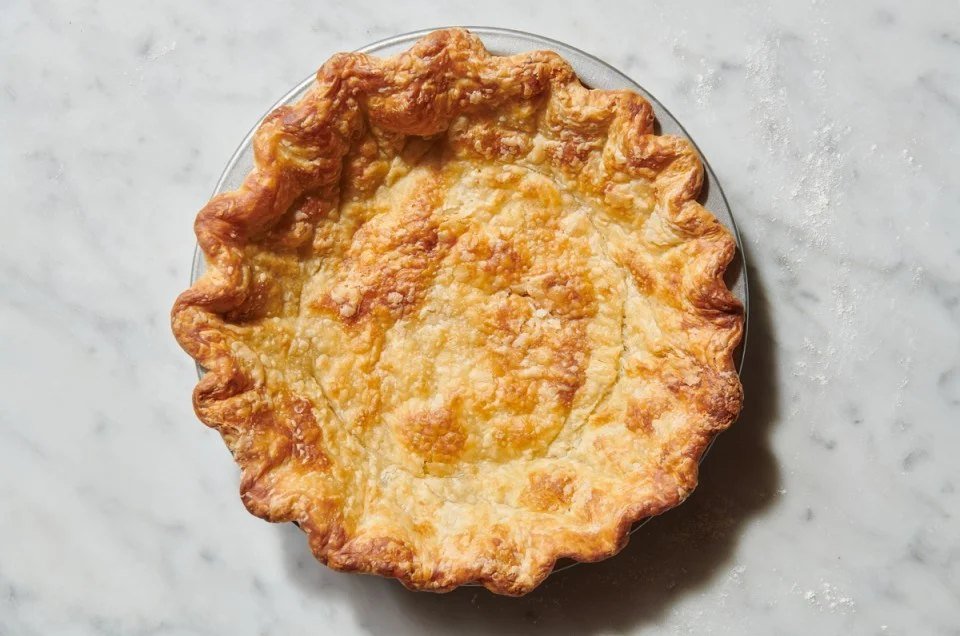
After the initial bake, carefully remove the pan from the oven. Take out the parchment paper and the weights. You will see a pale, set crust. This is not done yet. You need to bake it for another 5 to 10 minutes. The goal is a uniform golden brown color across the entire bottom. If it remains pale, it will still absorb moisture from the filling.
Watch the edges closely during this second stage. They can go from golden to burnt in minutes. If the edges are browning too fast, use a ring of foil to shield them. This is called a foil shield. It protects the delicate rim while the bottom finishes cooking. The final crust should be dry to the touch and sturdy. It should not flex when you lift it.
Common Mistake: Underbaking the Bottom
Many home bakers pull the crust out as soon as the edges look good. This is a mistake. The bottom takes longer to cook than the sides. If the bottom is pale, it is underbaked. Trust the color. A fully prebaked pie crust should be golden brown all the way through. If you are unsure, touch the bottom. It should feel hard and dry, not soft or cool. A cool bottom means it needs more time.
Storing and Using Your Crust
Once the crust is fully baked, let it cool completely on a wire rack. Do not skip this step. If you add a warm or cold filling to a hot crust, it can cause steam to form. This steam can make the bottom soggy again. Let the crust reach room temperature. This allows the structure to set completely. The crust will become even crispier as it cools.
You can use the crust immediately for hot fillings like custard. Or, you can store it in an airtight container for a few days. If you plan to add a cold filling, the crust will stay crisp for longer. If you are making a fruit pie, you can add the fruit and then bake the whole pie. The prebaked bottom will remain crisp because it is already cooked. This method works for almost any pie recipe that requires a firm base.
Mastering how to prebake pie crust is one of the most useful skills in baking. It takes only a few extra minutes, but it saves your entire dessert. The result is a professional-quality pie with a satisfying crunch. You will never want to go back to a soggy bottom. Try this method in your next baking project and see the difference.