
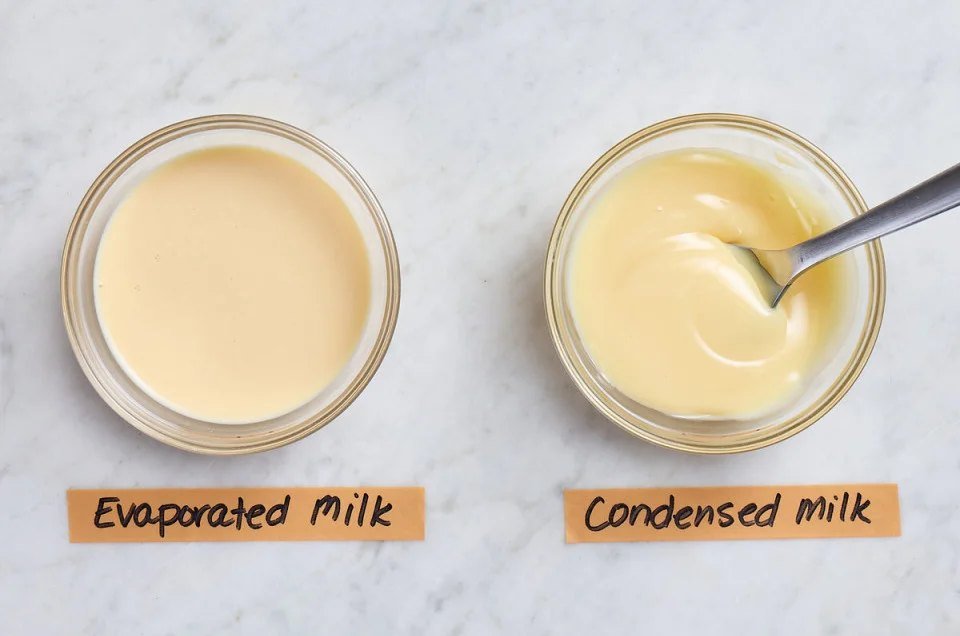
You might be standing in the grocery aisle, staring at two silver cans that look almost identical, wondering which one fits your recipe. The core difference between evaporated vs condensed milk comes down to sugar content and texture. Evaporated milk is unsweetened and thinner, while condensed milk is heavily sweetened and thick. Knowing which one you need prevents a very sticky, overly sweet disaster in your kitchen.
Understanding the Dairy Basics
Both of these products start as regular cow’s milk. The process involves heating the milk to remove water, which concentrates the solids. This step happens in both cases, but what follows is where they diverge completely. Evaporated milk stops at the water removal stage. It remains unsweetened and has a slightly caramelized, toasted flavor due to the heat treatment. It is essentially a shelf-stable version of milk that you can add to savory or sweet dishes without altering the sugar balance.
Condensed milk, specifically sweetened condensed milk, goes a step further. After the water is removed, a massive amount of sugar is added. This sugar acts as a preservative, allowing the milk to be stored at room temperature for months. The result is a viscous, syrupy substance that is intensely sweet. It is not a 1:1 substitute for regular milk or even for evaporated milk in most recipes. The sugar content transforms it from a liquid ingredient into a structural component in many desserts.
Why the Texture Matters
- Evaporated milk pours easily like heavy cream or half-and-half.
- Condensed milk is thick and coats the back of a spoon.
- The viscosity affects how it mixes into batters or sauces.
Flavor Profiles and Sweetness Levels
Taste is the most immediate way to distinguish these two products. Evaporated milk has a subtle, nutty, and slightly cooked flavor. It is mild enough to blend into coffee, soups, or creamy pasta sauces without overpowering the other ingredients. You might notice a faint hint of toasting, which is a result of the pasteurization process. It provides richness and body without adding any sweetness to the dish. This makes it a versatile workhorse in both savory and sweet cooking.
Sweetened condensed milk, on the other hand, is overwhelmingly sweet. It tastes like liquid caramel or thickened sugar syrup. Because of this intensity, it is rarely used in savory applications. It is designed to be the sweet element in a recipe. If you use it in a dish that is not meant to be sweet, the result will be cloying and unbalanced. The sugar also means it browns differently when heated, creating a deeper, darker color in baked goods compared to using evaporated milk.
Common Tasting Mistakes
- Assuming they taste similar because they both come from milk.
- Using condensed milk in a savory soup, making it taste like dessert.
- Expecting evaporated milk to provide the same sweetness as condensed milk.
Choosing the Right Can for Your Recipe
When a recipe calls for one of these ingredients, it is usually specific for a reason. If you see “evaporated milk” in a recipe for key lime pie or a creamy chicken soup, that is what you need. It provides the creamy texture and mild flavor without adding sugar. Swapping in condensed milk here would make the pie too sweet or the soup taste like candy. The unsweetened nature of evaporated milk allows it to function as a dairy base, similar to how you would use regular milk or cream.
Recipes that call for “sweetened condensed milk” are typically looking for that intense sweetness and thickness. Think of key lime pie filling, fudge, or certain caramel sauces. In these cases, the sugar is a primary ingredient, not just an additive. You cannot easily swap evaporated milk for condensed milk in these recipes because you would lose the necessary sweetness and body. Conversely, you cannot swap condensed milk for evaporated milk in savory dishes because the sugar would ruin the flavor profile. Always check the ingredient list carefully before grabbing a can from the shelf.
Storage and Shelf Life Tips
One major advantage of both evaporated and condensed milk is their long shelf life. Because the water is removed and the milk is heated, they do not need to be refrigerated before opening. You can store unopened cans in your pantry for several months. This makes them great pantry staples for bakers and cooks who want to have creamy ingredients on hand without worrying about spoilage. The cans are lightweight and take up less space than a carton of milk in the fridge.
Once you open a can, the rules change. You must transfer the contents to an airtight container and refrigerate them. Evaporated milk generally lasts about two to three days in the fridge, similar to regular milk. Condensed milk also lasts a few days but, because of the high sugar content, it may keep slightly longer. However, it is best to use it within a week for the best texture and flavor. Do not leave opened cans sitting on the counter, as the bacteria that cause spoilage can still grow once the protective seal is broken.
How to Store Opened Cans
- Transfer liquid to a glass or plastic container immediately.
- Label the container with the date you opened it.
- Keep in the refrigerator at or below 40 degrees Fahrenheit.
Creative Uses in Your Kitchen
Now that you understand the difference, you can start using them more creatively. Evaporated milk is perfect for making quick, creamy sauces. You can whisk it into a roux for a velvety white sauce or blend it into a smoothie for extra creaminess. It also works well in coffee or tea if you want a richer taste without the fat of heavy cream. In baking, it adds moisture to cakes and cookies, keeping them tender. It is a great substitute for half-and-half in many recipes, providing similar richness without the cost.
Sweetened condensed milk is a dessert essential. It is the base for many simple no-bake treats. You can use it to make quick caramel sauce by heating it with a little water, or mix it into beaten egg whites for meringue toppings. It is also excellent for making fudge, where the sugar helps the mixture set properly. If you are making a tropical dessert, it pairs beautifully with lime juice or coconut cream. Just remember, a little goes a long way because of the intense sweetness. Start with a small amount and taste as you go to avoid making your dessert too sweet.
Understanding the distinction between these two canned dairy products saves you time and prevents recipe failures. They look alike on the shelf, but their roles in cooking are vastly different. Keep an eye out for which one your recipe requires, and you will always achieve the intended texture and taste. This small piece of knowledge makes navigating the grocery store much easier and ensures your cooking results are exactly what you hoped for.