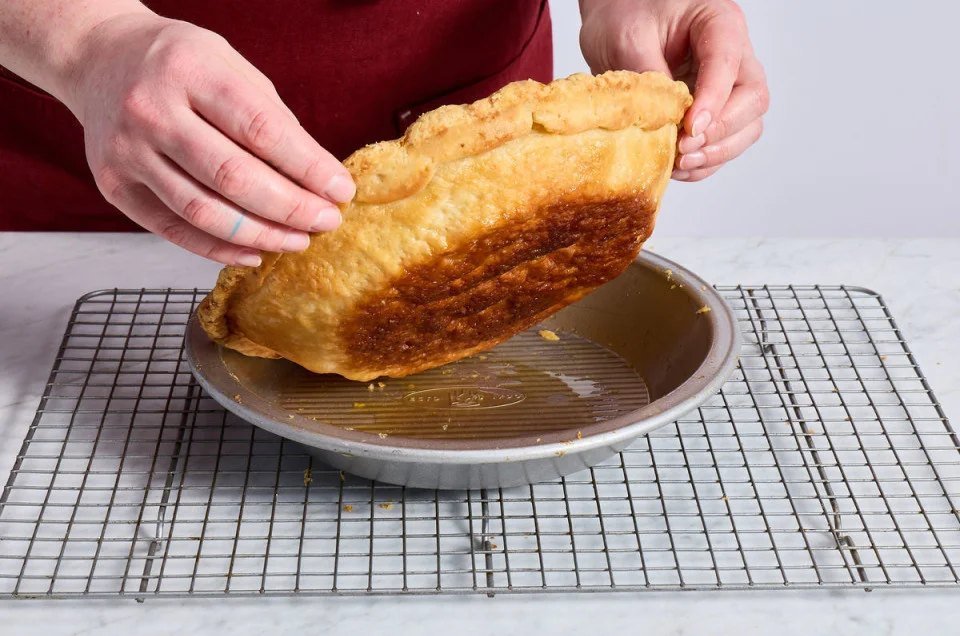
You probably sprinkle sugar on the top edge of your pie before it goes into the oven. But you can also caramelize pie crust on the bottom for a texture that feels like a secret weapon. It takes only two seconds to add this simple ingredient, and the result is a base that is crisp, sweet, and deeply satisfying. Instead of a plain, sometimes soggy bottom, you get a layer that holds up to wet fillings and adds a delightful crunch to every bite.
Why the Bottom Crust Needs Attention
Most home bakers focus entirely on the top of the pie. We worry about the lattice pattern, the egg wash, and whether the top crust will brown evenly. The bottom often gets ignored until it is too late, when we realize the fruit juices have soaked into the dough. This creates a soft, mushy layer that ruins the structural integrity of the slice. By treating the bottom with the same care as the top, you ensure that the entire pie has a consistent texture. The goal is to create a barrier that resists moisture while adding flavor.
When you add sugar to the bottom crust, it does more than just sweeten the base. It changes the way the dough interacts with heat. The sugar melts and then hardens as it cools, creating a thin, glass-like layer. This layer is incredibly crisp and provides a pleasant contrast to the creamy or juicy filling above it. It turns a standard pie into a more complex dessert that feels professionally made. You do not need any special equipment or ingredients, just a pinch of what is already in your pantry.
The Science of Crispness
The transformation happens because of how sugar behaves in high heat. As the oven temperature rises, the sugar crystals melt and begin to caramelize. This process creates new flavor compounds that add depth to the neutral taste of the pastry. The resulting crust is not just crunchy; it has a subtle sweetness that complements the filling. This is the same reaction that gives baked goods their golden color, but here it is concentrated in a thin layer at the bottom. It is a simple chemical reaction that yields a big difference in the final product.
The Two-Second Technique
Here is how you execute this step without overthinking it. Once you have rolled out your bottom crust and placed it in the pie dish, take a small amount of coarse sugar. You can use turbinado, sparkling sugar, or even granulated sugar, though coarse grains work best for texture. Sprinkle the sugar evenly across the entire surface of the raw dough. Do not press it in; just let it sit on top. This takes less than two seconds. Then, proceed with your recipe as usual, adding your filling and top crust if applicable. The sugar will do its job during the baking process.
Timing is less important than consistency. You want to make sure the sugar is distributed evenly so that every bite has the same experience. If you clump it in one spot, you will get a very sweet, hard patch that might be unpleasant. Spread it out lightly, like you would salt a rim of a bowl. The amount is not critical; a thin layer is sufficient. You are looking for a subtle effect, not a candy bar bottom. This step fits seamlessly into any pie-making routine, from apple to pumpkin to custard.
Choosing the Right Sugar
While any sugar will work, the type you choose affects the final texture. Coarse sugars like turbinado have larger crystals that melt slower and create a more distinct crunch. They also have a slightly molasses-like flavor that adds warmth to the crust. Granulated sugar melts faster and creates a smoother, less textured base. If you want maximum crunch, go with the coarser option. If you prefer a more integrated sweetness, use granulated. Avoid powdered sugar, as it does not melt and caramelize in the same way. Stick to dry, granular sugars for the best results.
Pairing with Fillings
This technique works exceptionally well with fruit pies. Berries release a lot of juice, and the caramelized bottom helps prevent that juice from making the dough soggy. The contrast between the tart fruit and the sweet, crunchy base is delicious. It also works well with custard pies, where the sugar adds a textural element that might otherwise be missing. In a pumpkin pie, the caramelized crust adds a warm, spiced note that complements the cinnamon and nutmeg. You can use this method for almost any savory or sweet pie, though it shines brightest in desserts.
Consider how the sugar interacts with the specific flavors of your filling. In a lemon meringue pie, the sweet crust balances the sharp acidity of the lemon. In a blueberry pie, the caramel notes enhance the natural sweetness of the fruit. This is a versatile trick that elevates the overall eating experience without changing the recipe significantly. It is a small addition that makes a big impact on the final presentation and taste. Your guests will notice the difference, even if they cannot quite articulate why the pie tastes better.
Avoiding Common Mistakes
The most common error is using too much sugar. A heavy layer can burn before the pie is fully cooked, resulting in a bitter taste. Keep the layer thin and even. Another mistake is adding the sugar after the filling is in place. The sugar needs to be in direct contact with the dough to caramelize properly. If you sprinkle it on top of the filling, it will just melt into the juices and not create the desired crust. Always add the sugar to the raw bottom crust before adding any other ingredients. This ensures the sugar has time to interact with the heat and the dough.
Final Thoughts on Texture
Adding sugar to the bottom crust is one of those small tweaks that makes a huge difference. It requires minimal effort and no extra cost. You are likely already using sugar in your pie, so this is just about where you place it. The result is a pie that feels more complete and thoughtful. It shows that you paid attention to every part of the dish, not just the visible top. This is the kind of detail that separates a good pie from a great one. Try it in your next bake and see how the extra crunch changes your experience. You might never go back to a plain bottom crust again.