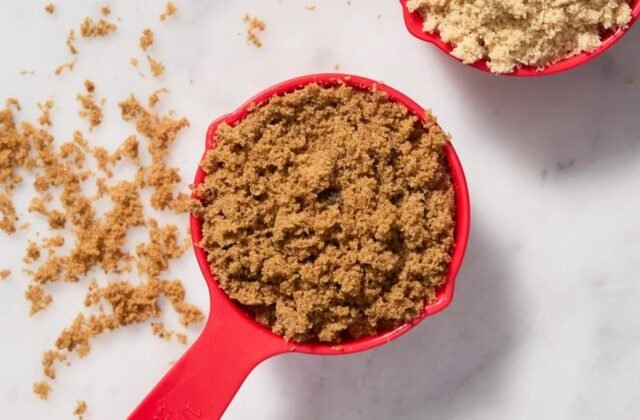
There is nothing worse than reaching into your pantry for a recipe and finding a brick of rock-hard brown sugar. If you are looking for how to soften brown sugar, you have come to the right place. You do not need to throw it away. There are several reliable methods to restore that soft, sandy texture so you can get back to baking without losing your mind. The goal is to reintroduce moisture to the crystals without changing the flavor or consistency of the sugar itself.
Why Brown Sugar Turns Into a Brick
Brown sugar is essentially white sugar mixed with molasses. That molasses is what gives it its color and distinct taste. However, molasses is also sticky and hygroscopic, meaning it loves to pull moisture in. When brown sugar is exposed to air, that moisture evaporates. Once the water is gone, the sugar crystals bond together tightly. This creates the hard, unyielding mass you find in the jar. It is not spoiled; it is just dehydrated. Understanding this helps you choose the right fix. You are not trying to dissolve the sugar. You are trying to re-hydrate the molasses so the crystals loosen up again. This is why adding too much water or heat can make things worse. You want a gentle approach that mimics the natural state of the sugar.
The Importance of Airtight Storage
Prevention is always easier than cure. If you want to avoid this problem in the future, check how you are storing your sugar. Most jars sold in stores are not perfectly airtight. The lids often do not seal completely. Over time, air gets in and dries out the molasses. To fix this, transfer your brown sugar to a truly airtight container. A glass Mason jar with a tight-fitting lid works well. You can also add a small piece of bread to the jar. The bread releases moisture slowly, keeping the sugar soft. Replace the bread every day or two. This simple habit saves you from the headache of hard lumps later.
Quick Fixes for When You Are in a Hurry
Sometimes you are already measuring out ingredients for cookies or a cake. You open the jar and find a solid block. You do not have time to wait for overnight methods. In these moments, speed matters. You need a way to soften brown sugar that takes minutes, not hours. The microwave is your best friend here. It uses heat to release the moisture trapped inside the crystals. But you must be careful. Too much heat turns the sugar into syrup or burns it. The key is short bursts. You want the sugar to become pliable, not liquid. This method is ideal for small amounts, like one or two cups. For larger batches, you might need to work in stages. Always stir the sugar between bursts to ensure even heating. Do not walk away from the microwave. Watch it closely. If it starts to look wet or sticky, stop immediately. Let it cool slightly. It should break apart easily with a fork when done.
Common Mistake: Overheating in the Microwave
The most common error bakers make is microwaving the sugar for too long. People often blast it on high for a full minute or more. This causes the molasses to melt and separate from the sugar crystals. The result is a sticky, uneven mess that is hard to measure. You end up with pockets of syrup and dry, hard chunks. To avoid this, use the 10-second rule. Heat for 10 seconds, remove the jar, and stir. Repeat this process until the sugar is soft. It usually takes three to five bursts. This gradual approach gives you control. You can stop exactly when you need to. If the jar gets too hot to touch, let it sit for a minute. Never use a metal container in the microwave. Use a glass bowl instead. This prevents hot spots that can scorch the sugar. A little patience here saves your entire batch of cookies.
Slow Methods for Large Batches
If you have a large recipe, like a sheet cake or a big batch of muffins, the microwave might not be enough. You need a method that handles volume without turning the kitchen into a sauna. The oven method is excellent for this. Preheat your oven to a low temperature, around 200 degrees Fahrenheit. You want warmth, not heat. Place the brown sugar in a shallow glass dish. Cover it with a damp paper towel. The damp towel creates a steam environment inside the dish. This steam gently penetrates the hard sugar. It rehydrates the molasses evenly. Place the dish in the oven for about 10 to 15 minutes. Check it after 10 minutes. It should be soft and loose. If it is still hard, add another 5 minutes. Do not leave it longer than 20 minutes. Once it is soft, remove it from the oven. Let it cool completely before using. This method is slower than the microwave, but it is much safer for large quantities. You do not have to worry about hot spots or burning the edges. The gentle heat ensures every crystal is treated the same way. It is a set-and-forget option that works well while you prepare other ingredients.
Tip: Using a Damp Paper Towel
The damp paper towel is crucial for the oven method. It acts as a humidity source. Without it, the oven air is too dry and will further dehydrate the sugar. The towel should be moist, not dripping wet. If it is too wet, it will make the sugar soggy and clumpy. Wring it out well before placing it on top of the sugar. You can also use a damp cloth instead of a paper towel. Just make sure it is clean. The goal is to create a small, humid chamber around the sugar. This mimics the conditions of a properly sealed jar. It is a simple trick that makes a big difference. If you do not have a paper towel, a slice of bread placed on top of the sugar works similarly. The bread releases moisture as it warms up. This is a pantry staple that saves the day. Always monitor the sugar during this process. You do not want it to become mushy. You want it to return to its original, fluffy state.
Keeping Your Brown Sugar Soft for Months
Once you have softened the sugar, you want to keep it that way. The goal is to prevent the moisture from escaping again. This is where proper storage comes in. As mentioned earlier, an airtight container is essential. But there are other tricks you can use. One popular method is to store a small piece of bread or a marshmallow in the jar with the sugar. The bread or marshmallow releases moisture slowly over time. This keeps the sugar moist and pliable. Check the bread every few days. If it dries out, replace it with a fresh piece. This method is low-effort and highly effective. Another option is to use a silicone lid. These lids create a better seal than standard plastic or metal lids. They are reusable and easy to clean. If you buy bulk brown sugar, consider dividing it into smaller portions. Freeze one portion and keep one in the pantry. When you need more, take the frozen portion out and let it thaw. This ensures you always have fresh, soft sugar on hand. It also reduces the risk of the entire supply going bad. Proper storage is the final step in managing your brown sugar. It turns a recurring problem into a non-issue. Your future self will thank you when you open the jar and find perfect, loose sugar ready for your next batch of treats.