If you want to know how the choice between a pizza steel vs stone affects your homemade pie, you are not alone in chasing that ultimate crispiness. When we talk about making a great pizza in a standard home oven, the secret always comes down to how much heat your baking surface can hold and transfer to the dough. Both tools will certainly help you step up your baking game, but they behave quite differently when subjected to high temperatures. Let’s take a close look at how these two popular baking platforms work so you can decide which one fits your cooking style.
Understanding the Baking Platforms
When you start shopping for gear to upgrade your Friday night pizza routine, you will quickly notice these two heavy hitters dominating the market. A ceramic or cordierite baking stone has been the traditional standard for home bakers for many years. These stones work by absorbing heat from your oven and radiating it steadily upward into your dough as it bakes. They are porous, which helps draw a bit of moisture away from the bottom of the raw crust as it hits the hot surface.
On the other hand, heavy metal plates made of conductive steel have surged in popularity for good reason. Instead of just holding heat, metal conducts thermal energy much faster and stores a massive amount of it. This means the metal transfers heat straight into the bottom of your pizza dough almost instantly upon contact. Understanding this core difference in physics is the key to unlocking better oven springs and gorgeous charred bubbles on your crust.
Choosing Your Material
Think about your usual baking habits and what kind of crust texture you love the most before buying. If you prefer a thick, even bake that mimics a classic brick oven style, the traditional ceramic option might appeal to you. If you are obsessed with getting that super dark, blistered bottom crust in record time, heavy metal is likely your best bet.
Handling and Maintenance
Ceramic plates require gentle care because they can crack from thermal shock if you move them incorrectly while hot. Metal plates are virtually indestructible and will not shatter, though they do require seasoning with oil to prevent rust over time.
Oven Compatibility
Both options need plenty of preheating time inside your oven before you slide your dough onto them. Make sure your oven racks can handle the heavy weight of either accessory before you place your order.
Performance and Heat Transfer
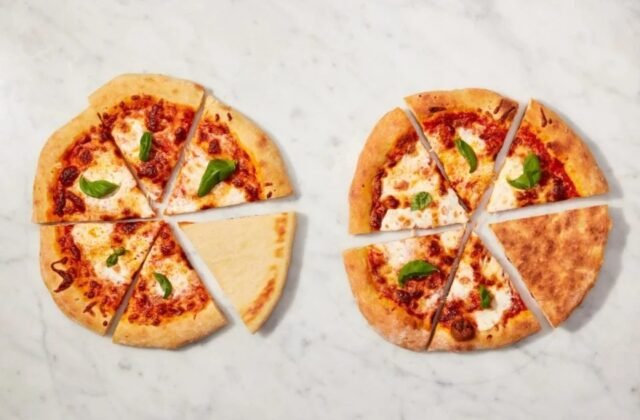
The main reason we debate pizza steel vs stone comes down to thermal conductivity and how fast each material cooks your pie. Metal heats up and transfers its stored energy much faster than ceramic or stone ever could. This rapid heat transfer causes the bottom of the dough to cook and set immediately, creating a wonderfully crisp texture without drying out the top toppings.
Stones take a bit longer to recover their heat between multiple bakes if you are feeding a crowd on a busy weekend. Because ceramic is less conductive, it pulls heat from the oven at a moderate pace and releases it gently. This gentle release is wonderful for certain types of bread, but it might leave you wanting more crispness on a thin-crust pie.
Preheating Your Surface
Give your chosen baking platform at least an hour to heat up inside a very hot oven before launching your pie. Skimping on the preheat time is the single biggest reason people end up with a soggy, pale bottom crust.
Monitoring Oven Temps
Turn your oven up as high as it will safely go, because maximum heat is necessary for authentic results. A hotter environment ensures the top cooks at the same speed as the bottom.
Managing Bake Times
Keep a close eye on your pie through the oven window since a metal surface cooks everything remarkably fast. You might only need a few minutes of bake time once the dough is loaded.
Crust Texture and Results
Achieving that coveted bakery-style texture at home depends entirely on how well your dough interacts with the hot surface beneath it. When you use a metal plate, the intense thermal energy creates large, beautiful air bubbles and a deeply browned bottom. It mimics the fierce heat of a professional wood-fired oven far better than traditional ceramic materials can manage.
Stones still produce a very nice, crisp crust, but the browning process happens more gradually. If you like a sturdier, crackly bite that holds up well to heavy toppings, ceramic does a solid job. Ultimately, both tools will vastly outperform a standard metal baking sheet, but the metal plate wins out for sheer speed and blistering power.
Using Cornmeal Wisely
Dust your peel lightly with cornmeal or semolina flour to help the raw dough slide off easily onto the hot surface. Avoid using too much flour, as it can burn and create a bitter taste on your crust.
Testing Donees
Lift the edge of your pie with a peel to check the bottom color before pulling it out of the oven. You want to see distinct spots of deep browning that indicate a properly cooked base.
Cooling Your Pie
Transfer your finished pizza to a wire rack right after baking to keep the bottom from trapping steam and turning soft. Letting it sit on a solid cutting board for too long can ruin that hard-earned crispness.
Practical Tips for Success
Getting great results with either baking tool takes a little bit of practice and patience in your home kitchen. Always remember to let your baking platform cool down completely inside the oven before you attempt to touch or move it. Trying to move a scorching hot piece of metal or stone is dangerous and can easily lead to severe burns.
Keep your cleaning routine simple by scraping away any stray cheese or flour once the surface is fully cool. Avoid using harsh soaps on porous ceramic stones, and give your metal plate a light wipe of oil to keep it in top shape. With the right technique, your homemade pizza nights will rival your favorite local pizzeria every single time.
Cleaning the Surface
Scrape away cooled debris gently with a stiff spatula rather than running hot ceramic under cold water. Thermal shock will crack a stone instantly if you are not careful.
Practicing the Launch
Practice sliding your unbaked dough off the peel with a quick, jerky wrist motion before adding heavy toppings. A smooth launch prevents frustrating rips and spills in the oven.
Enjoying the Process
Have fun experimenting with different dough hydration levels to see how your specific baking surface handles them. Every oven is unique, so trust your senses as you bake.