You do not need a culinary school diploma to practice beautiful food plating at home. Most weeknight dinners already have everything they need — color, texture, and aroma — but they arrive on the plate in a hurry. A few deliberate choices at the end of cooking can turn a good meal into something you are proud to set in front of family, friends, or simply yourself after a long day.
This guide walks through seven practical plating methods that home cooks actually use. They are quick, forgiving, and designed for real kitchens — not photo studios. Along the way, you will see how dishes from our recipe collection lend themselves to beautiful plating without extra fuss.
Ready to cook? Explore our full recipe collection and find your next favorite dish.
Recipes to inspire your plating
These dishes from Divine Food Recipes are perfect for practicing presentation — each one brings strong color, texture, and shape to the plate. Click any card to open the full recipe.
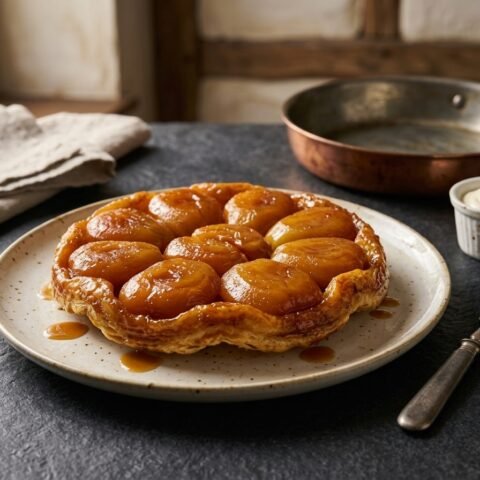
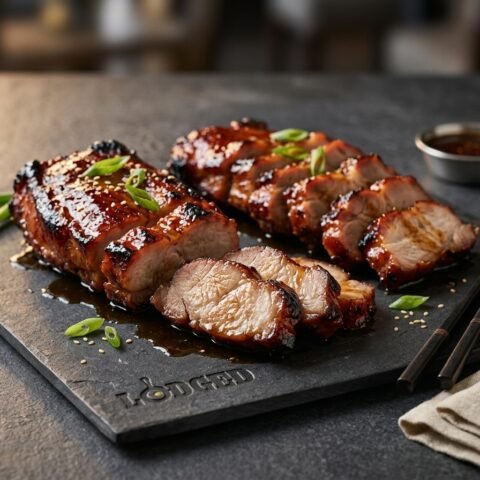
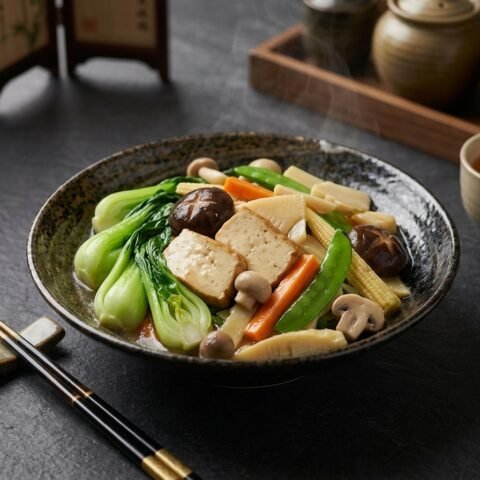
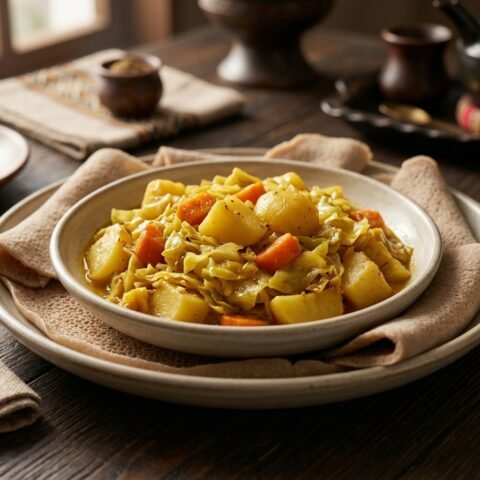
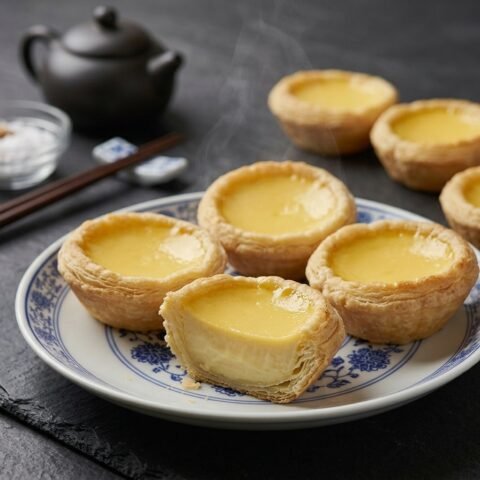
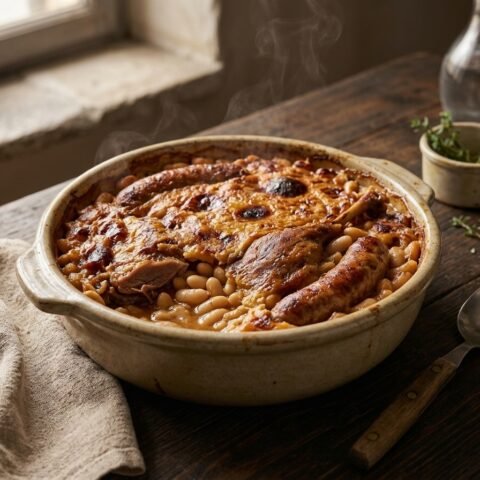
Beautiful plating is not decoration — it is clarity. When the plate tells a story, every bite feels intentional.
Whether you searched for beautiful plating ideas or you are learning cara plating (how to plate food step by step), the goal is the same: make the dish look as good as it tastes. Start with one method tonight and build from there.
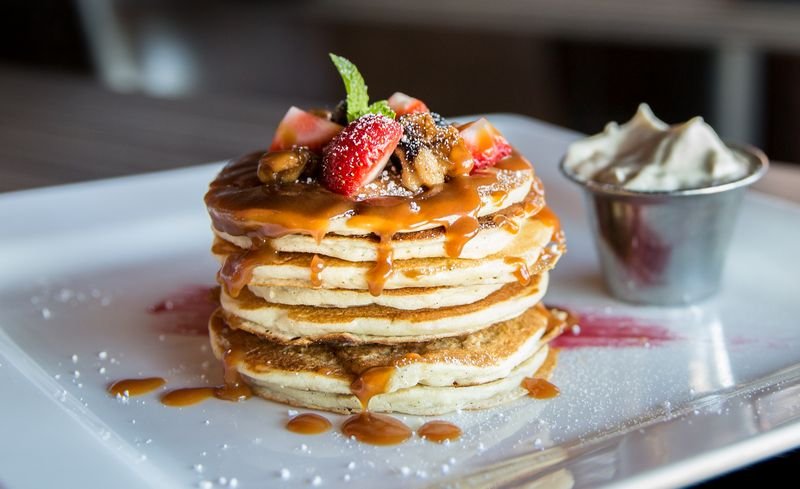
Method 1: Choose the right plate and leave breathing room
White or neutral plates are the easiest canvas for beautiful food plating. They let color from vegetables, sauces, and proteins stand out. Avoid filling the entire surface — leave a thumb-width border around the rim. Negative space reads as calm and confident, even when the recipe itself is rustic.
A deep bowl works for saucy stews like our Traditional French Cassoulet, while a wide rimmed plate suits sliced mains such as Chinese Char Siu Pork. Match the vessel to the food’s texture before you worry about garnish.
Method 2: Build height with purpose
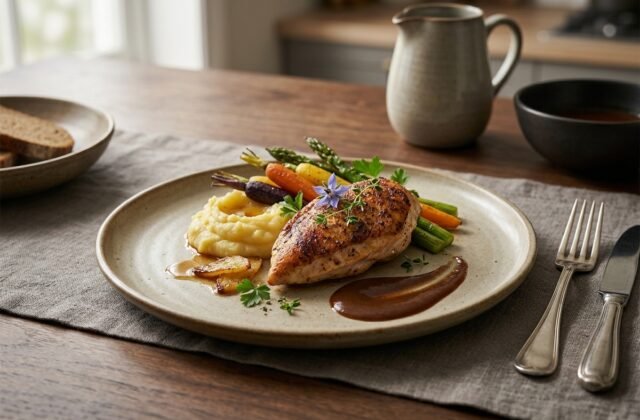
Flat food looks tired on a flat plate. Stack components slightly — rice or grains on the bottom, protein in the middle, vegetables leaning against the main item. Use a ring mold for neat cylinders, or simply spoon mashed root vegetables as a base and place the protein on top.
Height draws the eye, but keep it stable. If you are serving something delicate like Classic French Tarte Tatin, a single confident slice with a small stack of apples beside it is more elegant than a wobbly tower.
Lift the hero ingredient once. If it slides, lower it. Stability beats drama every time.
Method 3: Use the clock face for balanced composition
Imagine the plate as a clock. Place the protein near 6 o’clock, starch at 10 o’clock, and vegetables at 2 o’clock. Sauce can sit under the protein or sweep across the plate in a shallow arc with the back of a spoon.
This method works beautifully for composed plates inspired by global home cooking — think colorful Ethiopian Atakilt Wat beside injera, or a neat portion of Buddha’s Delight with rice. The clock trick keeps portions visible so guests know exactly what they are eating.
Method 4: Contrast color, texture, and temperature
Monochrome plates feel flat. Add a green herb, a red chili thread, pickled onion, or toasted nuts for crunch. Pair creamy with crisp, hot with cool, glossy with matte. Contrast is the fastest route to beautiful plating because the eye reads variety as craftsmanship.
Before serving, scan the plate: is there at least one vivid color, one crunchy element, and one fresh herb or acid? If not, a squeeze of lemon or a handful of chopped parsley often fixes the whole plate in seconds.
Method 5: Sauce with restraint — under, around, or beside
Pouring sauce directly over food hides texture you worked hard to create. Instead, spoon sauce underneath sliced protein so it peeks out, or drag a smear across the plate and set the food on top. For broth-based dishes, serve sauce in a small side pitcher so the main ingredients stay visible.
Desserts benefit from the same logic. When you bake Chinese Egg Tarts, dust with icing sugar and place them on a clean plate with one curl of citrus zest — not a flood of caramel that obscures the golden crust.
Sauce should invite a bite, not announce a flood.
Method 6: Garnish only what you would eat
Every leaf, seed, and sprinkle on the plate should taste good. Microgreens, fried shallots, cracked pepper, flaky salt, and fresh herbs all earn their spot. Random parsley that no one touches is clutter, not garnish.
Cut garnishes to match the bite size of the dish. Fine herbs for delicate fish, coarse herbs for grilled meats. Taste the garnish alone once — if it is bitter or dull, choose something else.
Method 7: Wipe the rim and serve immediately
A damp kitchen towel along the plate edge is the professional finish most home cooks skip. Smudged rims signal rush; clean edges signal care. Serve hot food hot — if you spent time styling, keep the oven on low and plate in batches for family-style meals.
Practice these methods on simple weeknight recipes from our Recipes page before you host a dinner party. Plating is a skill built through repetition, not perfection on the first try.
Recipes to practice beautiful food plating tonight
Start with dishes that already bring strong color and shape. Slice Char Siu Pork on a white plate with scallions, arrange Buddha’s Delight by color, or serve Tarte Tatin with a neat wedge and a small pool of crème fraîche. Each recipe gives you a different texture to highlight — glossy glaze, crisp pastry, or vibrant vegetables.
When you are ready to explore more, browse the full Divine Food Recipes collection and pick one dish per week to plate with intention. Over time, beautiful food plating becomes habit — faster than chopping an onion, and just as satisfying.
Ready to cook? Explore our full recipe collection and find your next favorite dish.
Plate one meal beautifully this week. Your future dinner guests will notice — and so will you.
Have a plating method that changed how you cook at home? Save this article, try a recipe from our kitchen, and make the plate yours.