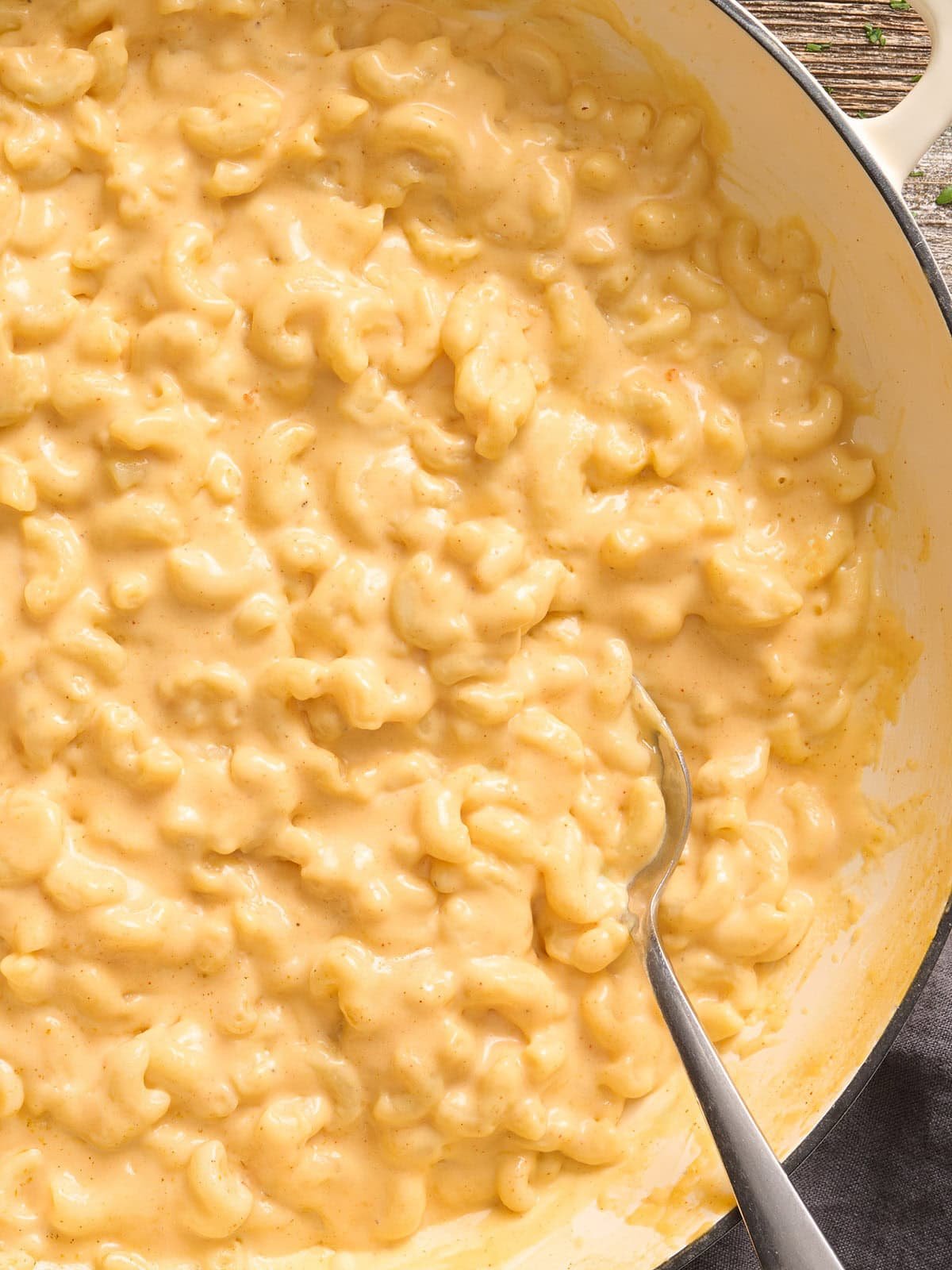
You need a reliable recipe in your back pocket, and this homemade mac and cheese fits the bill perfectly. It is creamy, cheesy, and comes together faster than you might expect. The sauce clings to the pasta without feeling heavy, making it the ultimate comfort dish for any night of the week. You will be surprised by how simple the process actually is when you skip the boxed stuff.
Why This Sauce Works Best
The secret to a smooth texture lies in the roux. Many people skip the flour and butter step, but that is where the magic happens. The roux gives the sauce enough body to cling to the macaroni instead of pooling at the bottom of the bowl. It creates a thick, velvety base that holds up even when you reheat leftovers later in the week.
For this specific version, I use slightly more roux than in my other pasta dishes. This extra thickness ensures every forkful is coated in cheese. I also bump up the cheese amount by about thirty percent compared to my standard stovetop versions. The result is luxuriously creamy and deeply savory. You really cannot go wrong with that ratio of dairy to pasta.
Use Block Cheese Only
Here is a tip that will save your meal from turning out grainy. Always use block cheese that you shred yourself. Pre-shredded cheese has anti-caking agents on it that prevent it from melting smoothly. Those powders can make your sauce break or become gritty. Grating your own sharp cheddar takes two minutes but guarantees a silky finish.
Gathering Your Ingredients
You do not need a trip to the specialty store for this dish. The core ingredients are pantry staples that you likely already have. You will need elbow macaroni, which is the traditional shape for a reason. The curves hold the sauce well and provide a nice texture contrast. Make sure you have sharp cheddar, which provides the necessary tang to cut through the richness.
Butter and milk form the liquid base of the sauce. A small amount of flour creates the thickening agent. I also add a half teaspoon of hot sauce to the mix. This is not to make it spicy, but to brighten the flavor profile. It adds a subtle zing that makes the cheddar pop without alarming children or sensitive palates. It is a tiny addition with a big impact on the overall taste.
Seasoning Balance Is Key
Do not forget to season the pasta water and the sauce itself. Salt is essential for bringing out the flavor of the cheese. A pinch of black pepper adds depth. If you like a little extra warmth, you can add a dash of cayenne, but the hot sauce already does a lot of work. Taste the sauce before adding the cooked pasta to ensure the balance is right.
The Step-by-Step Process
This is a two-pot process that happens simultaneously. Start by boiling a large pot of salted water for the macaroni. While the water heats up, start making the cheese sauce in a separate medium saucepan. This parallel workflow is how you get four servings on the table in just twenty-five minutes. It is efficient and keeps the kitchen from feeling chaotic during dinner prep.
- Melt butter in the saucepan over medium heat.
- Whisk in flour and cook for one minute to remove the raw taste.
- Gradually whisk in milk until the mixture thickens.
- Add the shredded cheese and hot sauce, stirring until smooth.
- Drain the cooked macaroni and stir it into the cheese sauce.
The entire process is straightforward. You are essentially making a béchamel and turning it into a cheese sauce. The key is constant stirring once the milk is added. This prevents lumps from forming and ensures an even consistency. By the time your pasta is al dente, your sauce should be ready to combine.
Serving and Storage Tips
You can serve this straight from the stovetop if you are short on time. It is perfect for a quick weeknight dinner or a side dish for a holiday meal. If you want a crispy top, you can transfer it to a baking dish and bake it. However, the stovetop version is incredibly creamy and satisfying on its own. You do not need the oven to make this dish feel special or complete.
Leftovers are a plus with this recipe. It stays smooth and creamy when reheated in the microwave. Just add a splash of milk to the bowl before heating it up. This prevents the sauce from separating or becoming too thick. It is one of those meals that tastes just as good on day two as it did on day one. It is a true budget-friendly win that satisfies everyone at the table.
Reheating Without the Grit
When you reheat leftovers, do not rush the process. Heat it on medium power in short intervals. Stir it well between each interval. This gentle approach keeps the emulsion intact. If you blast it in the microwave, the fat might separate from the liquid. A little patience here ensures you get that same creamy texture you had when you first made it.