If you have ever stared at your jar of bubbling culture, confused about whether it is actually ready to bake, you have likely encountered the sourdough starter fake out. This phenomenon is one of the most dispiriting and mystifying experiences for home bakers. While we view baking as a wholesome and rewarding hobby, certain threats stalk our kitchens. From the fear of “cake cleaching” to the nightmare of soggy bottoms, bread baking has its own unique set of challenges. However, nothing is more frustrating than mistaking a false sign of readiness for a truly active starter. Understanding this classic trick is essential for anyone serious about their sourdough journey.
What Is the Sourdough Starter Fake Out?
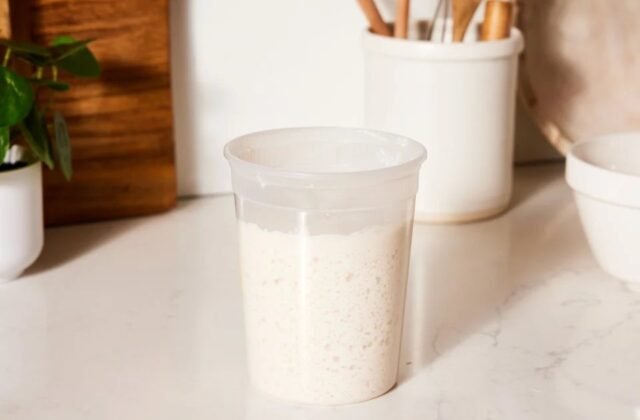
The “fake out” refers to a situation where your starter appears to be rising and becoming active, but it lacks the actual leavening power required to bake a good loaf. It can look promising at first glance, with bubbles forming and the volume increasing, but upon closer inspection or after a test bake, the results are disappointing. This often happens when the starter is in a state of fermentation that looks healthy visually but is chemically unbalanced or not yet at its peak strength. It is a deceptive phase that can trick even experienced bakers into thinking they are ready to mix dough, only to be met with a dense, flat loaf.
Why This Common Trick Happens
There are several reasons why a starter might exhibit this misleading behavior. Often, it is related to the timing of the feeding and the temperature of the environment. A starter can rise due to residual heat or immediate chemical reactions after feeding, but this does not always correlate with the production of sufficient gas for leavening. Additionally, if the flour or water used in the process is not at the correct temperature, the yeast and bacteria may not be operating at their optimal efficiency. The visual cues of bubbling and expansion are not always a reliable indicator of the starter’s true readiness. It is important to look beyond just the surface appearance to understand what is happening inside the culture.
How to Avoid Falling for the Trick
To avoid the sourdough starter fake out, you need to rely on a combination of visual, olfactory, and physical tests rather than just one indicator. Here are the key steps to ensure your starter is genuinely ready for baking:
- Observe the Peak: Your starter should reach its highest point of rise before it begins to fall. Do not use it while it is still rising rapidly, as it has not yet stabilized. The peak is the moment when the internal structure is strongest.
- Check the Smell: A healthy, active starter should smell pleasantly tangy and yeasty, not overly sour or alcoholic. An overly sour smell can indicate that the bacteria are outpacing the yeast, which can lead to weak leavening.
- Perform the Float Test: Gently drop a small spoonful of the starter into a glass of water. If it floats, it is likely full of gas and ready to use. If it sinks, it is not yet ready, regardless of how much it has risen in the jar.
- Assess the Texture: The starter should be airy and full of small, even bubbles. It should spread out easily when stirred. If it looks dense or has large, irregular bubbles, it may be in a state of over-fermentation or under-fermentation.
Signs Your Starter Is Truly Ready
When you have successfully avoided the fake out, your starter will exhibit clear signs of readiness. It will have doubled in size from its fed state, reached its peak, and begun to slightly dome over. The interior should be full of a network of bubbles, giving it a light and airy texture. The smell should be balanced, with a hint of tanginess but not overwhelming acidity. When you stir it, it should look like a thick, pourable batter rather than a stiff paste. These signs indicate that the yeast and bacteria are working in harmony, producing the gas needed to leaven your bread.
Final Thoughts on Reliable Leavening
Baking with sourdough is an art that requires patience and observation. The sourdough starter fake out is a common hurdle, but it is one that can be overcome with practice and attention to detail. By learning to look past the initial rise and focusing on the true indicators of readiness, you can ensure that your bread turns out light and airy every time. Remember that consistency is key. Keep a log of your feeding times, temperatures, and observations to help you recognize the patterns specific to your own starter. With time, you will develop an intuitive sense for when your culture is at its best, allowing you to bake with confidence and avoid the disappointment of a failed loaf. Trust your senses, stay patient, and your sourdough journey will be a rewarding one.