Piloncillo is a traditional Mexican sweetener made from unrefined cane juice, offering a deep, caramel-like flavor that sets it apart from standard white sugar. If you have ever tasted authentic pan dulce or rich Mexican cookies, you have likely encountered this ingredient. It is not just a substitute for brown sugar; it is a distinct ingredient with its own history and texture that transforms baked goods. Understanding what piloncillo is helps you use it correctly in your own kitchen for better flavor and authenticity.
Understanding the Origins of Piloncillo
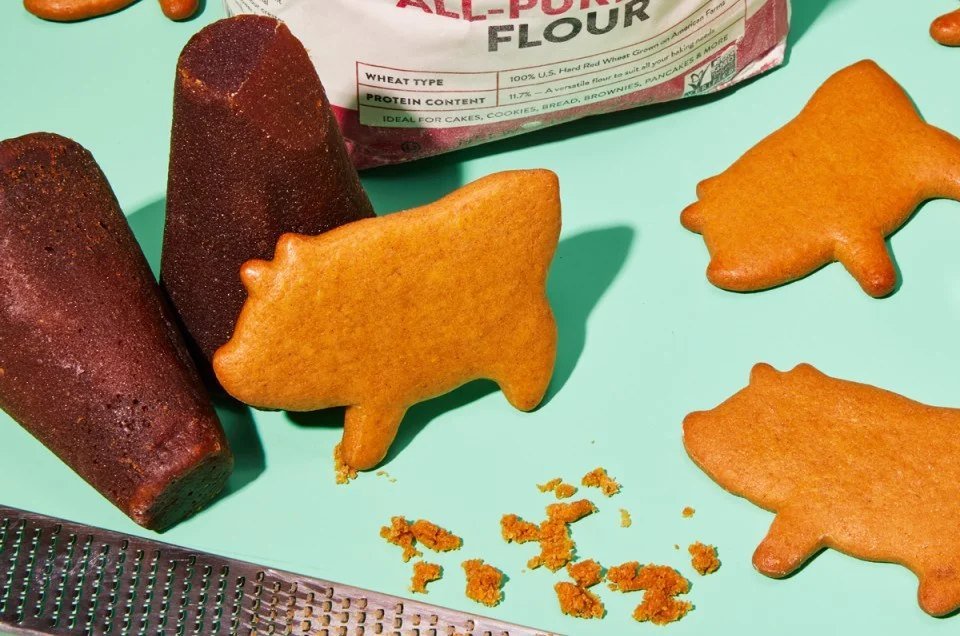
Many home cooks assume piloncillo is simply brown sugar packed into a cone shape, but the truth is more nuanced. This sweetener is made by boiling down raw cane juice until it thickens into a dense, solid mass. It is then poured into cone-shaped molds to cool and harden. Unlike brown sugar, which is white sugar mixed with molasses, piloncillo contains no added molasses. The color and flavor come entirely from the unrefined cane itself. This process preserves more of the natural minerals and complex sugars found in the plant.
Why It Tastes Different
The taste profile of piloncillo is often described as similar to brown sugar but with added notes of toffee and burnt caramel. It has a slightly earthy undertone that white sugar or even brown sugar cannot replicate. When you taste it, you might notice a hint of herbal or smoky flavor, depending on the region where the cane was grown. This complexity makes it ideal for recipes where you want depth rather than just sweetness. It adds a layer of history to every bite, connecting your modern kitchen to centuries of Mexican culinary tradition.
How to Use Piloncillo in Baking
Using piloncillo in your recipes requires a bit of technique because it is a solid block, not a loose granule. You cannot simply measure it by volume like you would with white sugar. Instead, you need to prepare it properly to ensure even distribution and correct sweetness. Many bakers prefer to make a syrup from the piloncillo before incorporating it into doughs or batters. This method ensures the sweetener dissolves completely and integrates smoothly with other ingredients. It prevents gritty textures in delicate cookies or cakes.
Preparing the Syrup
- Grate the piloncillo cone using a box grater or chop it into small pieces with a knife.
- Combine the grated sweetener with a small amount of water in a saucepan.
- Heat the mixture over medium heat, stirring occasionally, until the solid pieces dissolve completely.
- Let the syrup cool to room temperature before adding it to your recipe.
This syrup can be used in place of brown sugar or even maple syrup in many applications. It works particularly well in cookie doughs, giving them a chewy texture and a rich color. You can also use it in marinades for meats or in beverages like hot chocolate. The key is to start with a small amount, as the flavor is intense and can easily overpower subtler ingredients.
Best Recipes for Piloncillo
While piloncillo shines in traditional Mexican baked goods, its versatility allows it to appear in many other dishes. It is a staple in pan dulce, a category of sweet breads that includes conchas, cuernitos, and orejas. The sweetener provides the necessary moisture and flavor for these dense, rich pastries. Beyond bread, it is a common ingredient in mole sauces, where it balances the heat of chilies with a touch of sweetness. It also enhances the flavor of roasted vegetables and grilled meats. Using piloncillo in these savory contexts adds a surprising depth that surprises many diners.
Common Mistakes to Avoid
One frequent error is using piloncillo as a direct one-to-one substitute for white sugar without adjusting the recipe. Because piloncillo contains moisture and has a different density, adding it dry can make doughs too wet. Always use the syrup method or ensure the grated piloncillo is fully dissolved. Another mistake is assuming all piloncillo is the same. Quality varies by region and producer. Some cones are very soft and crumbly, while others are hard and dense. Choose a brand that has a consistent texture to ensure reliable results in your baking. Look for cones that are uniform in color and free from cracks that could indicate age or poor storage.
Storage and Shelf Life Tips
Piloncillo has a long shelf life when stored correctly, making it a great pantry staple. Because it is dense and low in moisture, it does not spoil easily. However, it can dry out or harden if exposed to air for too long. To keep it fresh, store the cone in an airtight container. You can wrap it in plastic wrap first, then place it in a glass or metal jar. This double layer of protection keeps the sweetener moist and pliable. If the cone does harden, you can soften it by placing it near a warm oven or steaming it briefly. Do not microwave it, as the heat can cause it to melt unpredictably. Proper storage ensures you always have a ready source of rich, complex sweetness for your next baking project.
Extending Freshness
If you live in a humid climate, check your stored piloncillo regularly for signs of mold or fermentation. While rare, improper storage can lead to spoilage. The sweetener should remain solid and dry to the touch. If you notice any off smells or discoloration, it is best to discard it. For long-term storage, consider freezing the piloncillo. Wrap it tightly in freezer-safe plastic and place it in a freezer bag. Frozen piloncillo can last for over a year without losing flavor. When you are ready to use it, let it thaw at room temperature for a few hours before grating or chopping. This method preserves the integrity of the sweetener and ensures it performs well in your recipes.