If you have ever wondered how long can softened butter sit out on your counter, you are certainly not alone in your kitchen curiosity. Getting butter to the perfect consistency is a vital step for many recipes, but leaving it out for too long can lead to spoilage or unwanted melting. Understanding the balance between room temperature readiness and food safety ensures your baking projects turn out exactly as planned.
The Science of Room Temperature Butter
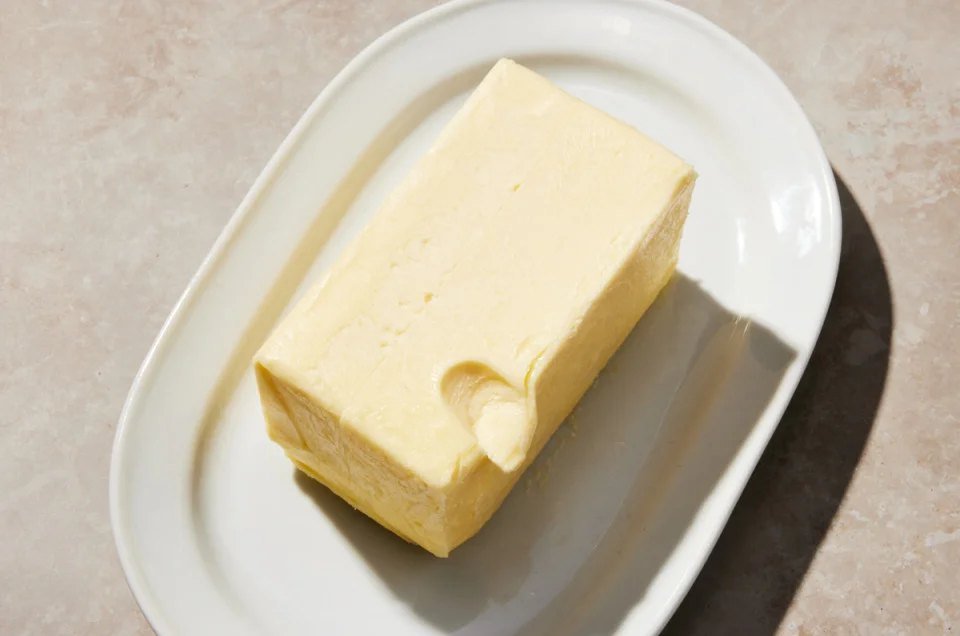
When a recipe calls for softened butter, it usually means the fat should be pliable enough to indent with a gentle poke of your finger. This state is essential because it allows the butter to trap air when creamed with sugar, which provides the lift needed for cakes and cookies. If the butter is too cold, it will not incorporate properly, and if it is too warm or oily, your dough will lose its structure.
Most bakers aim for a temperature around 65°F to 67°F for the ideal texture. At this range, the butter is soft but still holds its shape, making it easy to mix into dry ingredients. Achieving this consistency often requires planning ahead, as rushing the process with a microwave can easily turn your solid stick into a puddle of liquid fat.
Check the consistency
To test if your butter is ready, press your finger into the side of the stick. If it leaves a clean indentation without the butter feeling greasy or sliding around, you have hit the sweet spot. If it feels firm or resists your touch, give it another ten minutes on the counter.
Managing Your Kitchen Prep Time
Planning your baking session is the best way to avoid the stress of waiting for ingredients to reach the right temperature. If you know you are planning to bake in the afternoon, take your butter out of the refrigerator in the morning. Leaving it out for a few hours is generally safe in a climate-controlled kitchen, provided the room is not excessively hot.
Once the butter reaches that perfect state, try to use it within a reasonable window. If your kitchen is particularly warm, the butter will soften much faster, which might force you to pop it back into the fridge for a few minutes to firm it up. Keeping an eye on the texture is more important than watching the clock, as environmental factors play a huge role in how quickly butter changes state.
Avoid the microwave trap
It is tempting to use the microwave when you are in a hurry, but this often results in uneven melting. You might end up with a pool of melted butter at the bottom of the dish while the center remains rock hard. If you must use heat, use the lowest setting for only a few seconds at a time.
Safety Guidelines for Dairy
While we often think of butter as a shelf-stable item, it is still a dairy product that can go rancid if left out for extended periods. Leaving butter out for a full day or overnight is generally not recommended, especially if your kitchen is warm. Bacteria can grow on dairy products when they are kept in the “danger zone” of temperatures for too long.
If you find that you have softened more butter than you actually need for your recipe, do not be afraid to put the remainder back in the refrigerator. While repeated cycles of warming and cooling can affect the texture slightly, it is much safer than leaving the butter out indefinitely. Always store your butter in a clean, covered container to prevent it from picking up odors from other items in your kitchen.
Watch for signs of spoilage
If your butter develops a sour smell, a darker color, or a strange, waxy film on the surface, it is time to discard it. Fresh butter should have a clean, creamy aroma and a uniform color throughout the stick. When in doubt, it is always better to start with a fresh portion to ensure the quality of your finished baked goods.
Best Practices for Success
The secret to great baking is often found in the small details, like how you handle your fats. By keeping your butter at the right temperature, you ensure that your cookies spread evenly and your cakes have a tender, airy crumb. Taking the time to prepare your ingredients properly makes the entire process more enjoyable and less prone to errors.
Remember that every kitchen environment is different, so pay attention to your own space. If you live in a hot climate, your butter will soften in minutes, whereas a cooler kitchen might require a longer wait time. Adjusting your workflow to accommodate these natural variations is a hallmark of a confident home cook who understands their tools and ingredients.
Keep it covered
Always keep your butter in a butter dish or wrapped in parchment paper while it sits on the counter. This protects it from dust, pet hair, or any other airborne particles that might land on it. A simple covered dish is an inexpensive investment that keeps your baking ingredients clean and ready for action whenever inspiration strikes.