If you find yourself staring at a half-empty carton in the back of your fridge, these 12 leftover heavy cream recipes are the perfect way to put that extra dairy to good use. Heavy cream is a secret weapon in the kitchen, providing the necessary fat to keep cakes moist, cookies tender, and cobblers perfectly browned.
Why You Should Bake With Cream
Most of us buy a pint of cream for a specific holiday recipe, only to use a splash and forget the rest. Instead of letting it sit until it expires, you can incorporate it into almost any batter or dough. The extra fat content helps create a luxurious mouthfeel that milk or water simply cannot replicate.
When you add cream to your baking, you are essentially adding a stabilizer that improves the structure of your crumb. It helps your baked goods brown more evenly in the oven, giving them that professional, golden finish we all love. It is a simple swap that makes a noticeable difference in the final texture of your treats.
The Science of Fat
Fat is what carries flavor in your food. By using cream instead of lower-fat alternatives, you are ensuring that every bite of your cake or cookie is rich and satisfying. It coats the flour proteins, which prevents too much gluten from forming, keeping your bakes soft rather than tough.
Checking for Freshness
Before you pour that cream into your mixing bowl, give it a quick sniff test. If it smells sour or looks clumpy, it is time to toss it out. Fresh cream should have a neutral, slightly sweet aroma and a smooth, pourable consistency.
Measuring Your Leftovers
If you have less than a cup, do not worry. Many of these recipes are forgiving and work well even if you are a tablespoon or two short. You can often top off the remaining amount with a little whole milk to reach the required volume without ruining the recipe.
Sweet Treats and Decadent Desserts
When you have a bit of cream left, your first instinct might be to whip it for a topping, but baking it directly into the dessert is often better. You can use it to create incredibly moist cakes that stay fresh for days on your counter. The richness of the cream balances out the sweetness of the sugar, creating a more complex flavor profile.
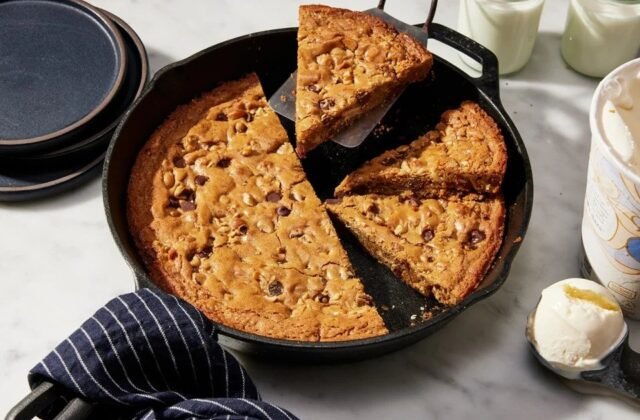
Cookies also benefit from a splash of cream. It helps the edges crisp up while keeping the center soft and chewy. If you are making a cobbler, brushing the top of the biscuit dough with a little cream before baking gives it a deep, mahogany color that looks beautiful when you pull it out of the oven.
Cream-Based Cake Batters
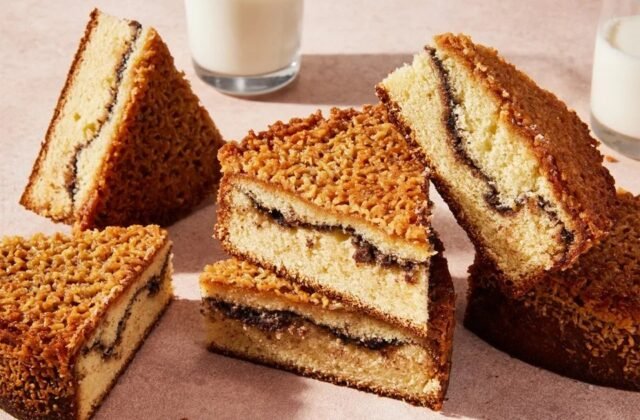
Many classic pound cakes rely on cream to achieve their signature dense, velvety crumb. By replacing a portion of the liquid in your standard cake recipe with heavy cream, you will notice a significant improvement in moisture. This is especially helpful if you live in a dry climate where cakes tend to dry out quickly.
Perfecting Your Cookie Texture
If your cookies usually turn out too crunchy, try adding a tablespoon of cream to your wet ingredients. It adds just enough moisture to keep the dough supple during the mixing process. This small change results in a cookie that is tender on the inside but still holds its shape perfectly.
Cobbler Topping Secrets
The secret to a great cobbler is the biscuit topping. Instead of using butter or milk, try using your leftover cream to bind your dry ingredients. It creates a rich, scone-like texture that pairs perfectly with bubbling, syrupy fruit underneath.
Savory Applications for Extra Cream
While we often think of cream for sweets, it is also a fantastic addition to savory bakes. If you are making a savory scone or a quick bread, cream adds a level of indulgence that makes the dish feel like a special occasion. It works particularly well with herbs like rosemary or thyme.
You can also use your leftover cream to enrich a simple quiche or a savory tart. It creates a custard-like filling that is much smoother than one made with milk alone. Just whisk it into your eggs with a pinch of salt and pepper, and you have a base that works with almost any vegetable or cheese you have on hand.
Enriching Savory Scones
Savory scones are a great way to use up small amounts of cream. The fat in the cream helps the scones rise high and develop a flaky, layered interior. Serve them warm with a little salted butter for a quick breakfast or a light lunch side.
Improving Your Quiche Filling
A standard quiche can sometimes feel a bit thin if you only use milk. Replacing half the milk with heavy cream gives the filling a luxurious, velvety texture that holds up well against hearty ingredients like bacon, spinach, or mushrooms.
Quick Bread Moisture
If you are baking a savory quick bread, such as a cheddar and scallion loaf, use cream to keep the crumb soft. It prevents the bread from becoming crumbly or dry, which is a common issue with quick breads that rely on baking powder for their rise.
Tips for Storing and Using Cream
To get the most out of your cream, keep it in the coldest part of your refrigerator, which is usually the back of the bottom shelf. Avoid storing it in the door, as the temperature fluctuates every time you open the fridge. This simple habit will help your cream stay fresh for as long as possible.
If you find you simply cannot use the cream before it goes bad, you can freeze it in an ice cube tray. Once frozen, pop the cubes into a freezer bag and pull out exactly what you need for future recipes. It might not whip up again, but it is perfectly fine for baking or adding to soups and sauces.
Freezing for Later Use
Freezing cream is a great way to reduce food waste. Just remember that once it is thawed, the texture might change slightly, so it is best used in cooked recipes rather than whipped toppings. It is a handy trick to keep in your back pocket for those weeks when you have too many dairy leftovers.
The Importance of Temperature
When baking, it is usually best to have your ingredients at room temperature unless the recipe specifies otherwise. If your cream is ice-cold, take it out of the fridge about 20 minutes before you start mixing. This helps the ingredients emulsify properly, leading to a smoother batter and a better final bake.
Avoiding Over-Mixing
When you add cream to your dry ingredients, be careful not to over-mix the batter. Once the flour is just incorporated, stop mixing. Over-working the dough can lead to tough results, even when you are using high-fat ingredients like cream to keep things tender.